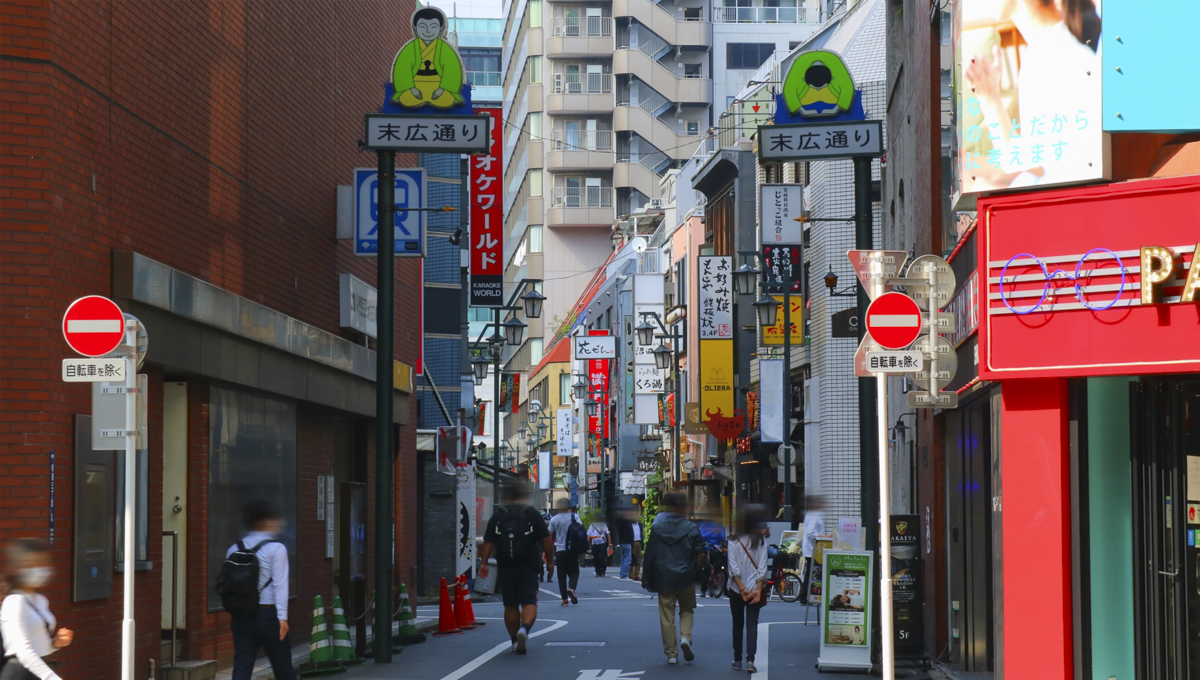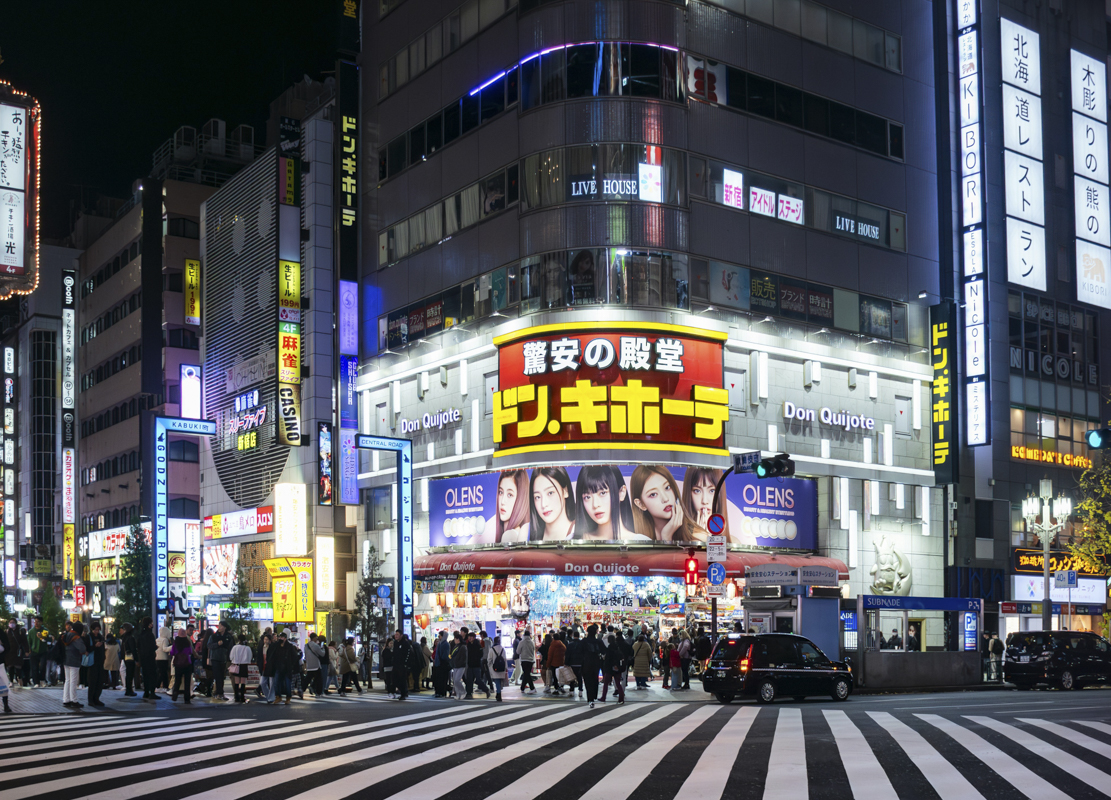
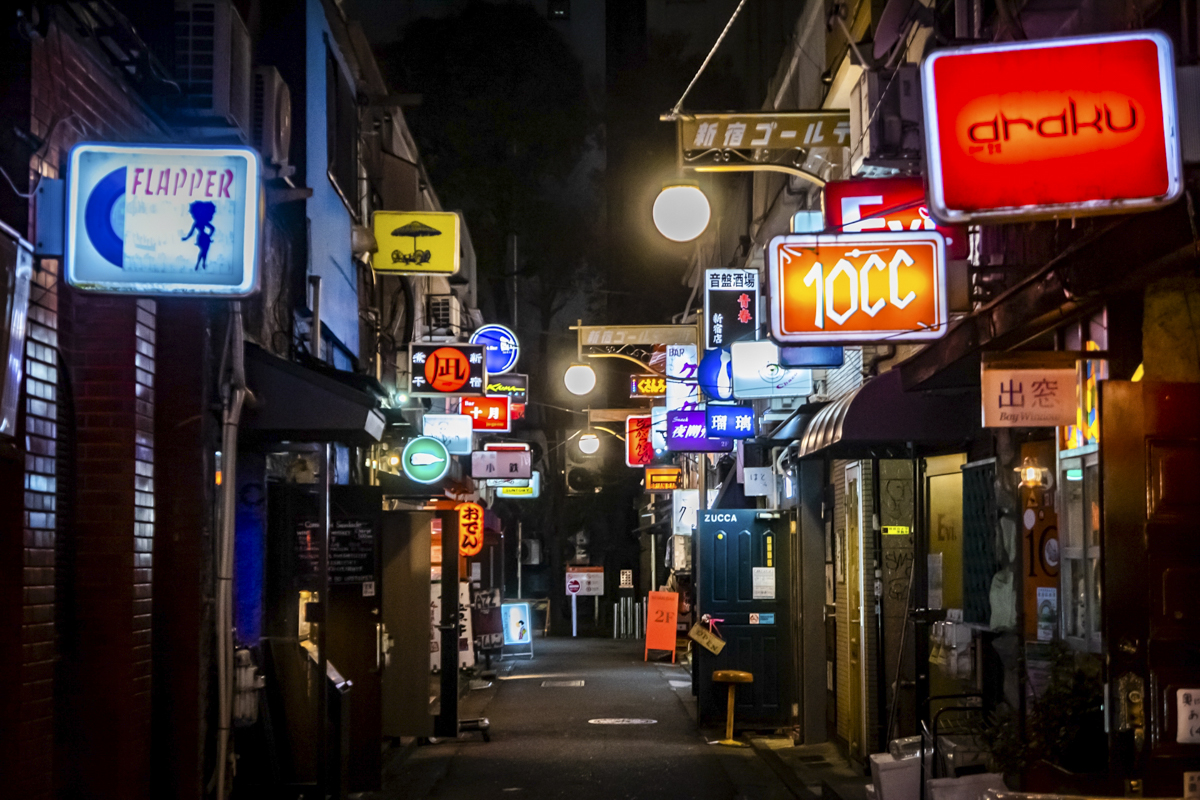
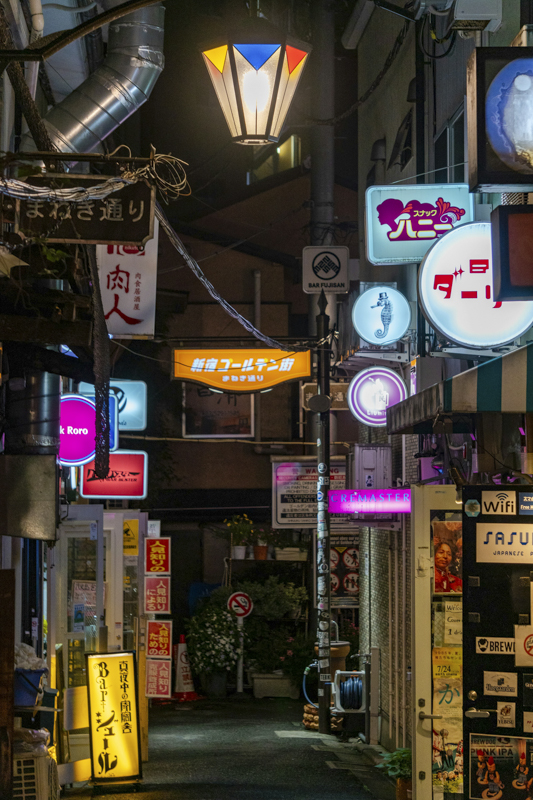
Located in the heart of Kabukicho, Shinjuku Golden Gai is one of Tokyo’s most distinctive nightlife areas.
Packed into a compact network of narrow alleys are around 200 small bars, many of them with seating for fewer than ten people. Unlike large-scale entertainment districts, Golden Gai is defined by its intimacy, character, and strong sense of history.
For travelers looking to experience a different side of Shinjuku after dark, Golden Gai offers a unique cultural experience that has remained largely unchanged for decades.
What Is Shinjuku Golden Gai?
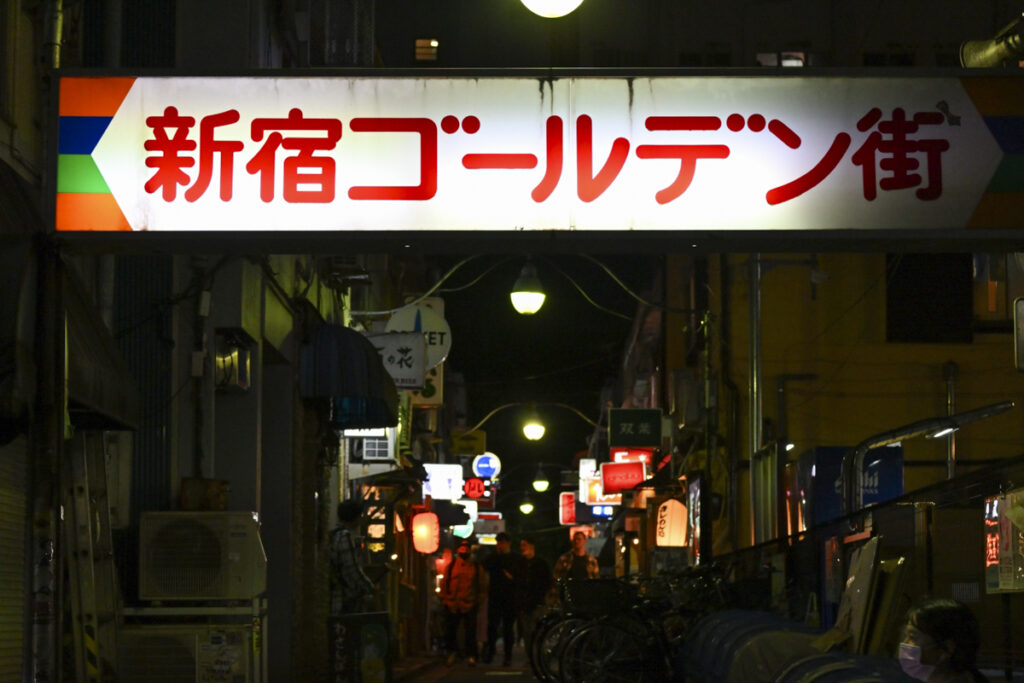
Shinjuku Golden Gai is a bar district made up primarily of tiny, independently run establishments. Most bars consist of a single counter and a handful of stools, creating close interaction between the owner and customers.
Each bar has its own personality, with themes ranging from literature and film to music, art, or simply conversation over drinks.
This highly individualized structure is what sets Golden Gai apart from other nightlife areas in Tokyo.
The History of Shinjuku Golden Gai
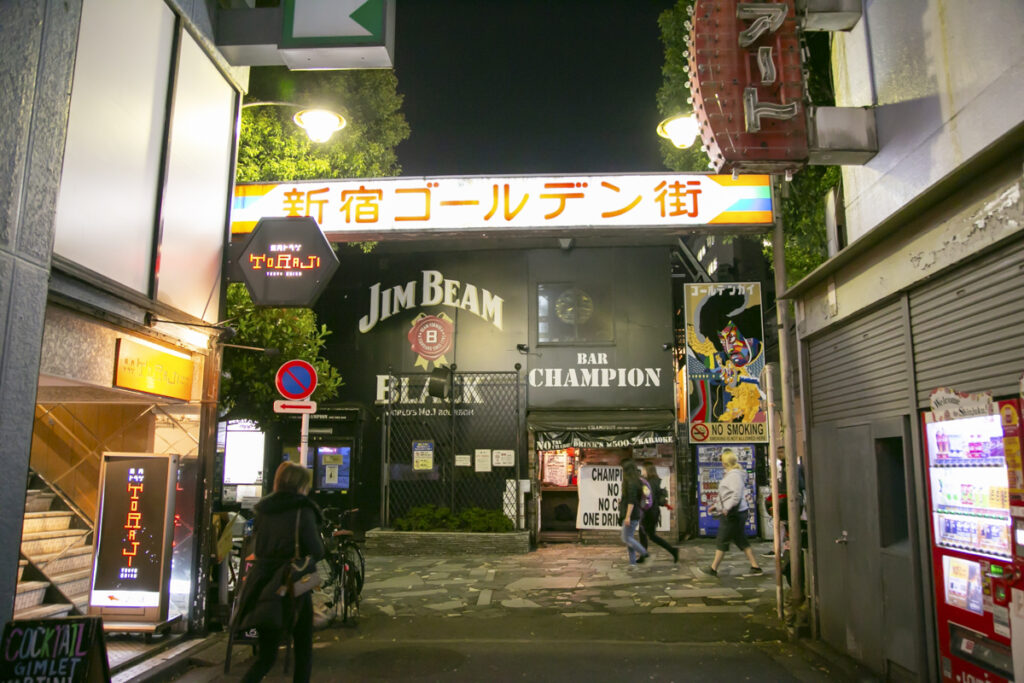
Golden Gai traces its origins back to the post–World War II era, when black markets emerged across Tokyo. In the 1950s, the area was reorganized into a legal drinking district, using wooden row houses that still form the basis of today’s streetscape.
Over time, writers, filmmakers, actors, and theater professionals began frequenting the area. As a result, Golden Gai developed a reputation as a gathering place for creatives, a legacy that continues to influence its atmosphere today.
Why Shinjuku Golden Gai Is So Special
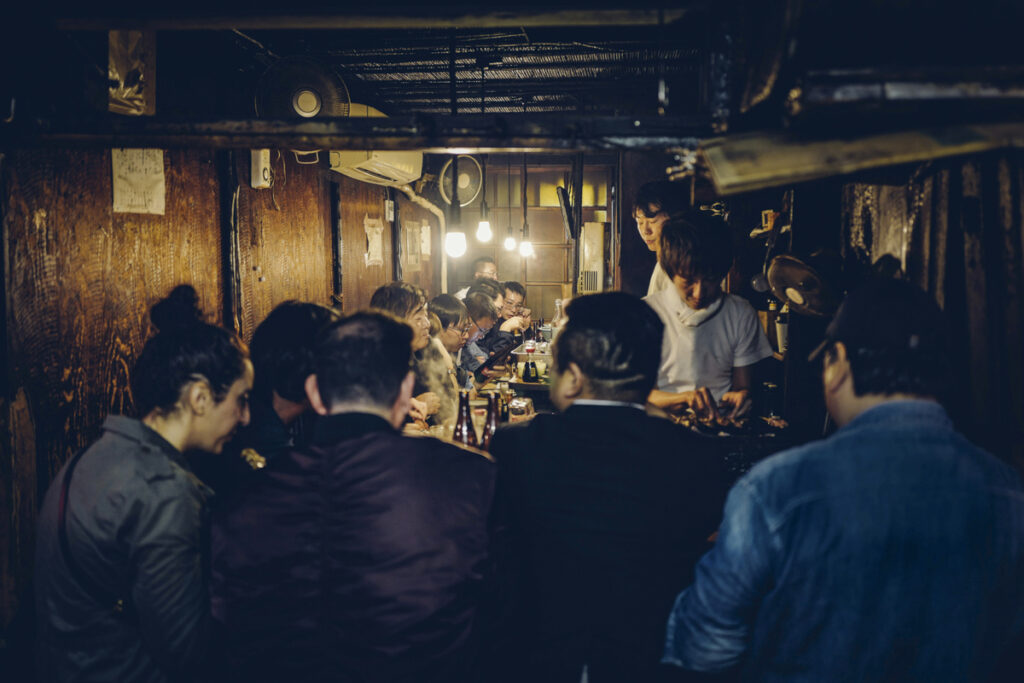
One of Golden Gai’s defining features is its preservation of Showa-era Tokyo. Neon signs, narrow staircases, and tightly packed buildings create an environment rarely found elsewhere in the city.
Another key attraction is diversity. Each bar is independently operated, meaning rules, pricing, and atmosphere vary widely. This diversity has drawn attention from international media, making Golden Gai a well-known destination among overseas visitors seeking authentic nightlife experiences.
How to Enjoy Shinjuku Golden Gai
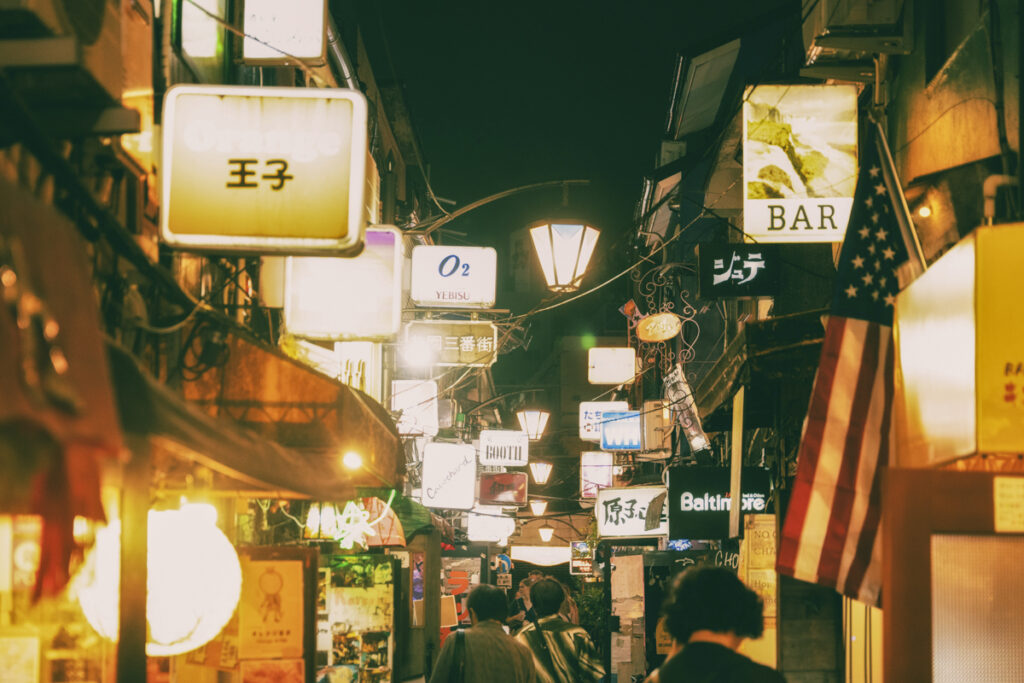
Many visitors explore Golden Gai without a fixed plan, choosing bars based on signage or first impressions. This spontaneous approach is common and encouraged.
Most bars charge a cover fee in addition to drinks, and it is customary to enjoy one or two drinks before moving on to another bar. Bar hopping is a core part of the Golden Gai experience.
Because spaces are small, conversations often arise naturally between strangers, creating a social atmosphere that feels personal rather than crowded.
Notable Bars in Shinjuku Golden Gai
Albatross
Albatross is one of the most recognizable bars in Golden Gai.
Known for its striking red interior and multi-level layout, it is relatively welcoming to first-time visitors. The bar is popular with both Japanese customers and international tourists, making it a common entry point into Golden Gai.
La Jetée
La Jetée is closely associated with writers and poets.
The atmosphere is calm and reflective, and conversation tends to be quieter than in more casual bars. It represents the literary heritage that Golden Gai is famous for.
Bar Champion
Bar Champion is a long-established bar that maintains a traditional Golden Gai feel.
Centered around a compact counter, it offers a relaxed environment where regulars and newcomers often end up talking together.
Important Etiquette and Tips for First-Time Visitors
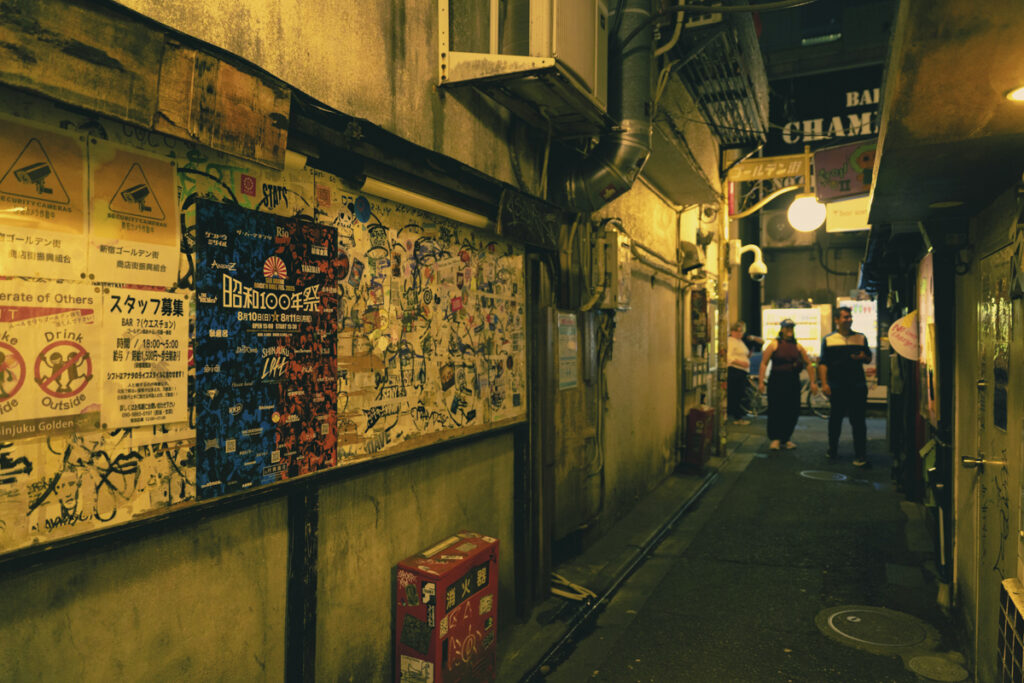
Rules differ from bar to bar, and some establishments have specific policies regarding photography, language use, or group size.
Certain bars prioritize regular customers, while others openly welcome tourists. Checking signs and politely confirming rules before entering helps ensure a smooth experience.
Due to limited seating, entry may be refused during busy hours. This is common and not considered rude.
Access to Shinjuku Golden Gai
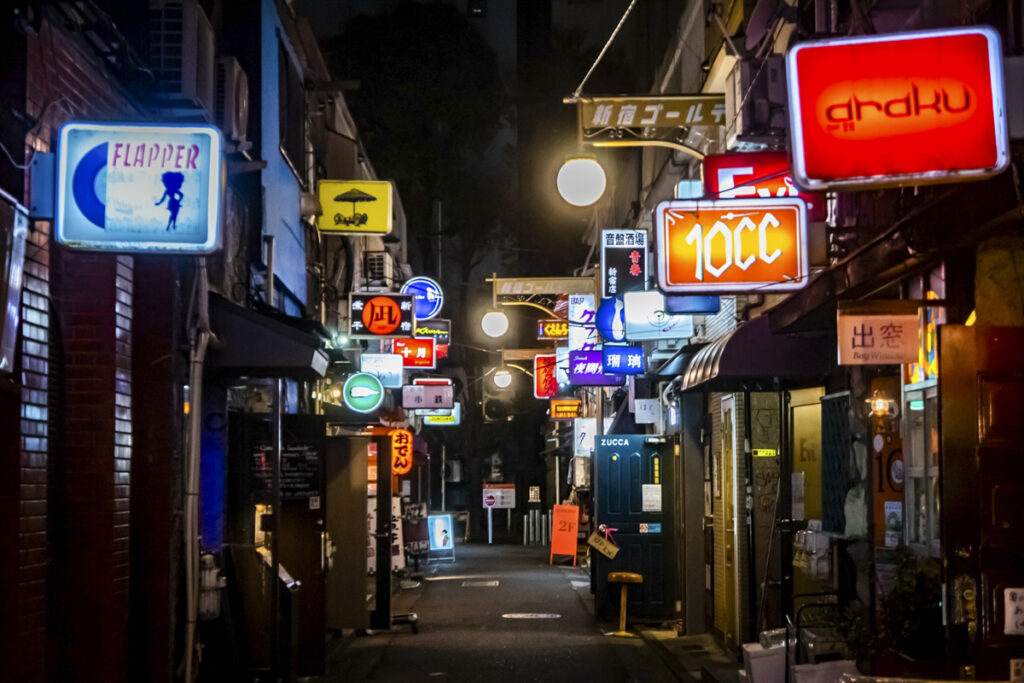
Golden Gai is within walking distance of several major stations, including JR Shinjuku Station, Seibu-Shinjuku Station, and Shinjuku-sanchome Station.
Its central location makes it easy to include in an evening itinerary after dining or sightseeing in Shinjuku.
Conclusion
Shinjuku Golden Gai is more than a collection of bars; it is a living remnant of Tokyo’s postwar cultural history.
With its preserved streetscape, independent bar culture, and intimate social atmosphere, it offers an experience unlike anywhere else in the city. For visitors who want to understand the deeper layers of Shinjuku’s nightlife, Golden Gai remains an essential destination.
Looking for the original article in Japanese?
Click here to view the Japanese version on Daily Shinjuku.