


In Japan, the year 2026 is known as the Year of the Horse according to the traditional zodiac system.
The Japanese zodiac plays an important role in seasonal customs, especially around the New Year, influencing decorations, greeting cards, and cultural symbolism. This article explains what the Year of the Horse means in Japan and how it fits into the broader zodiac tradition.
2026 Is the Year of the Horse
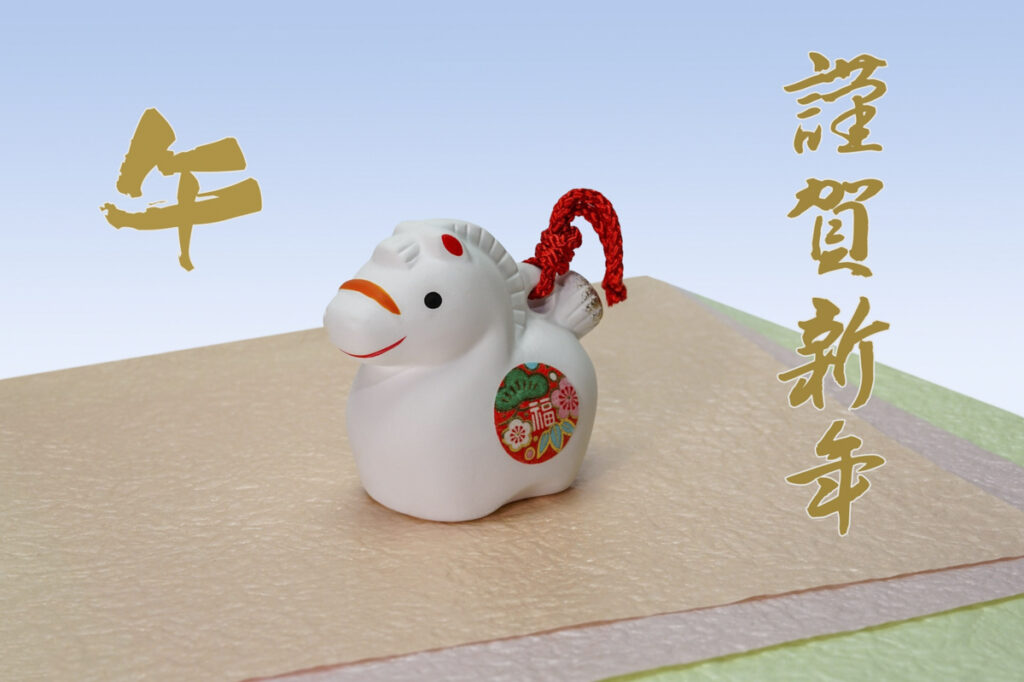
The year 2026 corresponds to the Horse, the seventh sign in the Japanese zodiac cycle.
Horses have long been an essential part of Japanese history, closely connected to farming, transportation, and historical warfare. Because of this long-standing relationship, the Horse holds a distinctive and respected place in Japanese culture.
What Is the Japanese Zodiac?
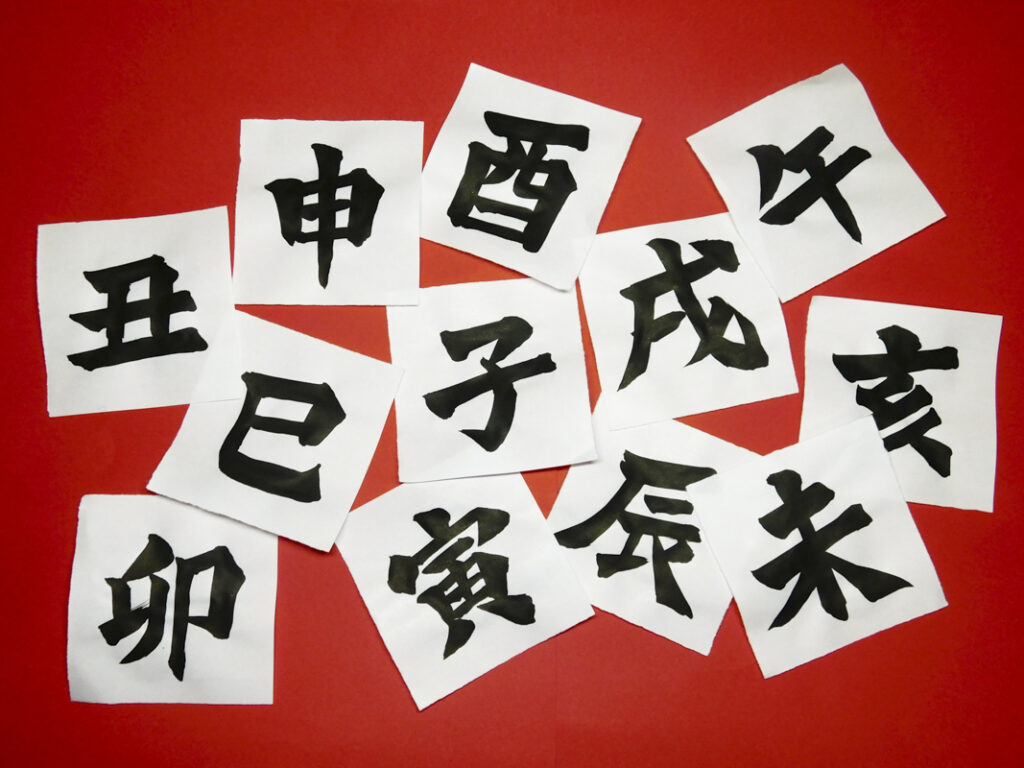
The Japanese zodiac is based on a twelve-year cycle, with each year represented by an animal. While the system originated in ancient China, it was introduced to Japan centuries ago and gradually adapted into Japanese customs and daily life.
Within this cycle, the Horse is positioned as the seventh sign. Traditionally, it is also linked to midday, symbolizing a central point in the flow of time. The character used for the Horse (午) originally represented a crossing or midpoint before becoming associated with the animal itself.
Cultural Meaning of the Horse in Japan

In Japanese culture, horses are often associated with strength, vitality, and movement. They appear frequently in religious contexts, such as sacred horses kept at Shinto shrines and ema, wooden prayer plaques that often feature horse imagery.
Because of these cultural associations, the Year of the Horse is commonly viewed as symbolizing activity and forward momentum. These interpretations are cultural traditions rather than predictions, reflecting long-established symbolism rather than fortune-telling.
The Year of the Horse and Japanese New Year Traditions

During the New Year season, zodiac symbols are widely displayed across Japan. In a Horse year, decorations and ornaments featuring horses can be seen in homes, shops, and public spaces.
New Year’s greeting cards, known as nengajō, are another important tradition. In 2026, many nengajō designs feature horses along with messages welcoming the new year. Exchanging cards that reflect the zodiac animal is a uniquely Japanese way of marking the start of the year.
Horse-Themed Customs and Everyday Culture
At the beginning of a new year, many people in Japan purchase zodiac figurines or charms. During the Year of the Horse, horse-shaped ornaments and amulets are especially common at shrines, temples, and seasonal markets.
Beyond physical items, the zodiac also serves as a symbolic reset point. The start of a zodiac year is often used as an opportunity to reflect, set goals, and refresh daily routines. The Year of the Horse continues this cultural role as a marker of renewal rather than a system of belief about luck or destiny.
Conclusion: Understanding the Year of the Horse in Japan

The year 2026 is the Year of the Horse in Japan’s zodiac tradition.
More than a way to label time, the zodiac reflects how Japanese culture connects nature, history, and everyday life. The Horse, with its deep roots in Japanese society, remains an important symbol within this system.
Understanding the Year of the Horse offers insight into Japanese New Year customs and the enduring role of the zodiac in modern Japan, making it a useful cultural reference for both residents and visitors.
Looking for the original article in Japanese?
Click here to view the Japanese version on Daily Shinjuku.