
Introduction
Japan has a long-standing culture of marking seasonal transitions through traditional events. One of the most well-known of these is Setsubun, which takes place in early February.
During Setsubun, families and temples across Japan perform rituals such as throwing beans to ward off bad luck. In this article, we explain what Setsubun is, its origins, major customs, and how it relates to ehomaki, offering a clear introduction to this important Japanese tradition.
What Is Setsubun?
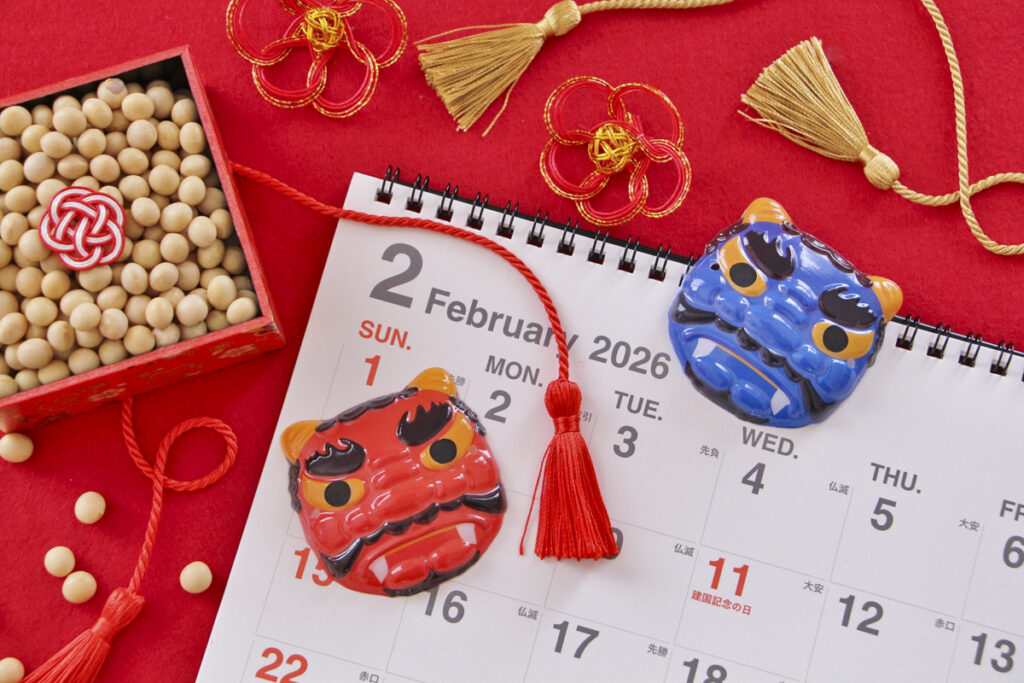
The word Setsubun originally means “the division of seasons.” In the traditional Japanese calendar, the day before each seasonal change—spring, summer, autumn, and winter—was considered a Setsubun.
Today, however, Setsubun usually refers specifically to the day before Risshun (the first day of spring). Because Risshun was historically regarded as the beginning of the new year, Setsubun came to be seen as an important turning point marking the end of the old season and the start of a new one.
The Origin and History of Setsubun
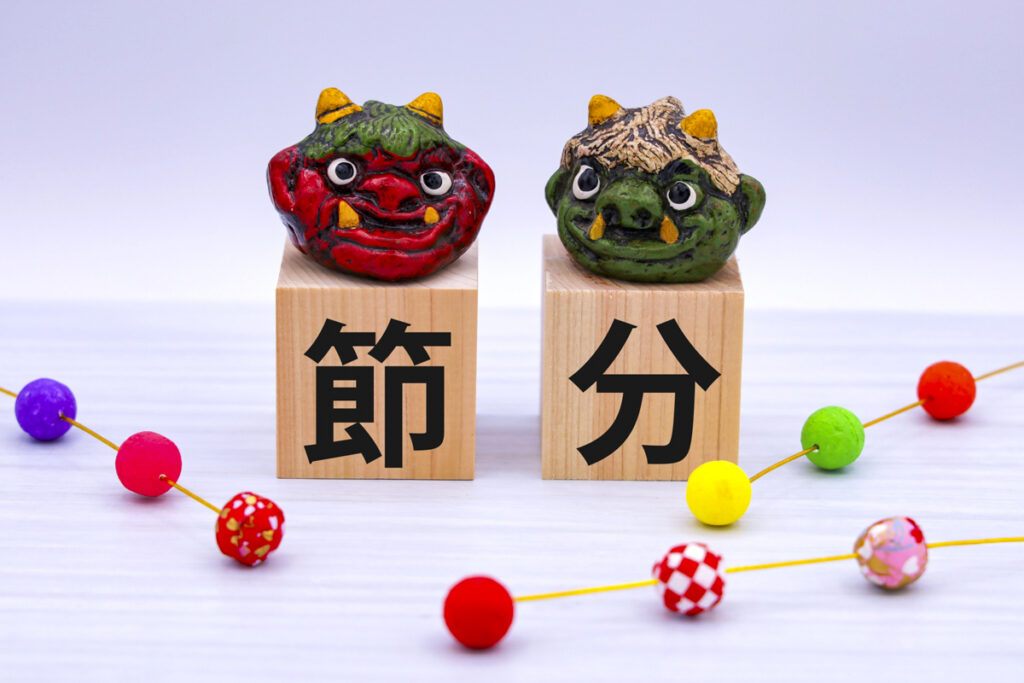
The concept of Setsubun is believed to have originated from ancient Chinese calendar systems and yin-yang philosophy. It was introduced to Japan around the Heian period and was initially practiced as a court ritual.
Seasonal transitions were once thought to be times when illness and misfortune were more likely to occur. Setsubun rituals were therefore performed to drive away evil spirits and bad luck. Over time, these practices spread beyond the imperial court and became part of everyday life among the general population.
Common Setsubun Customs
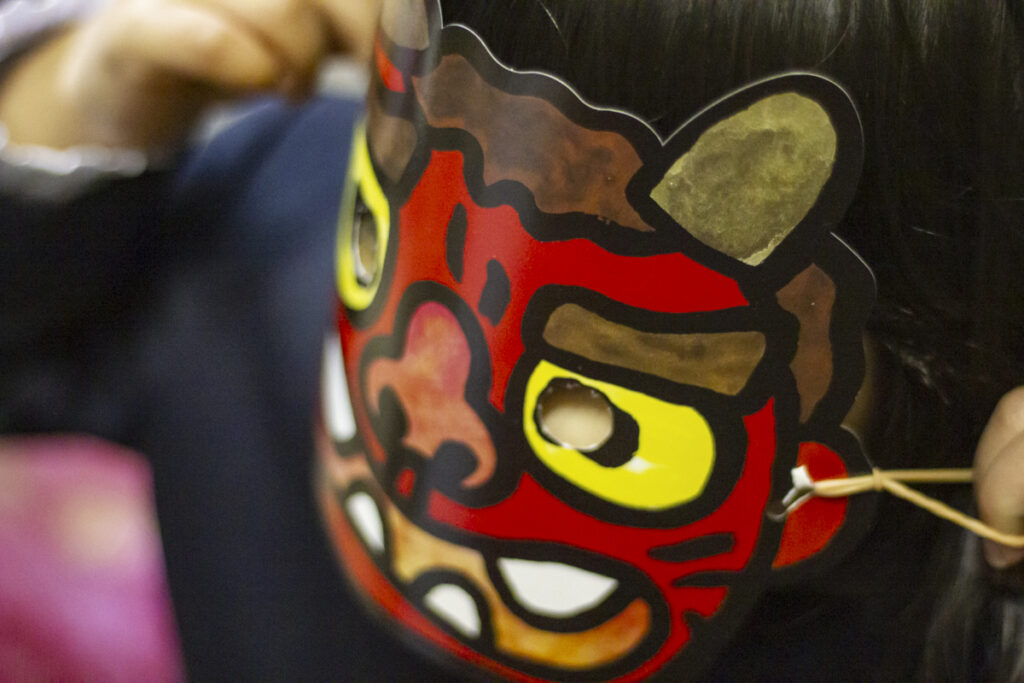
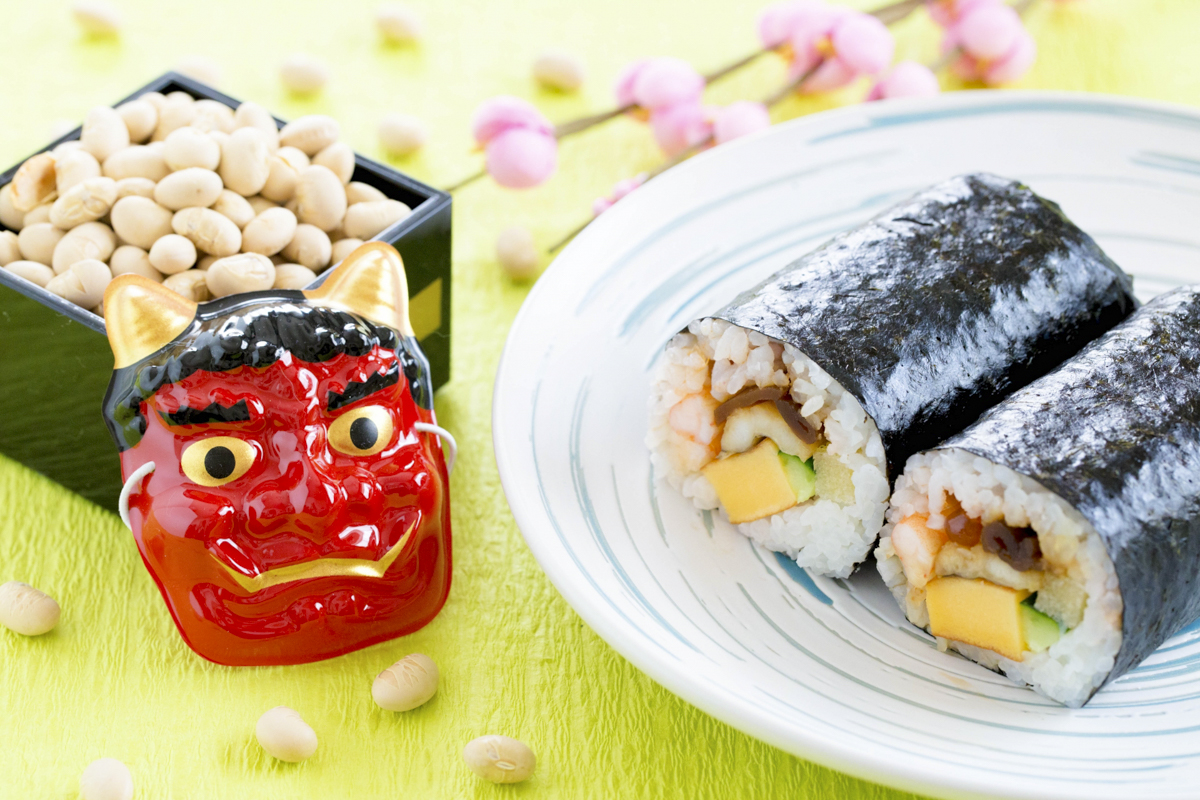
The most widely recognized Setsubun custom is mamemaki, or bean throwing. On Setsubun, people throw roasted soybeans while chanting phrases meant to chase away evil spirits.
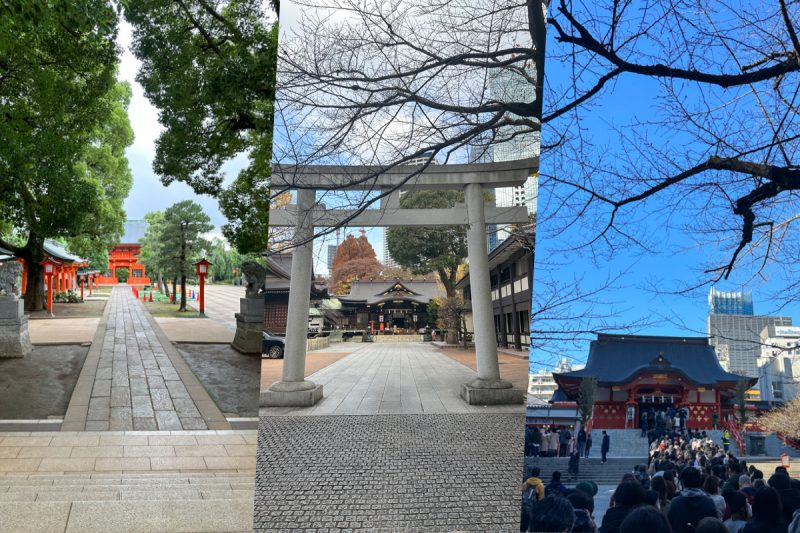
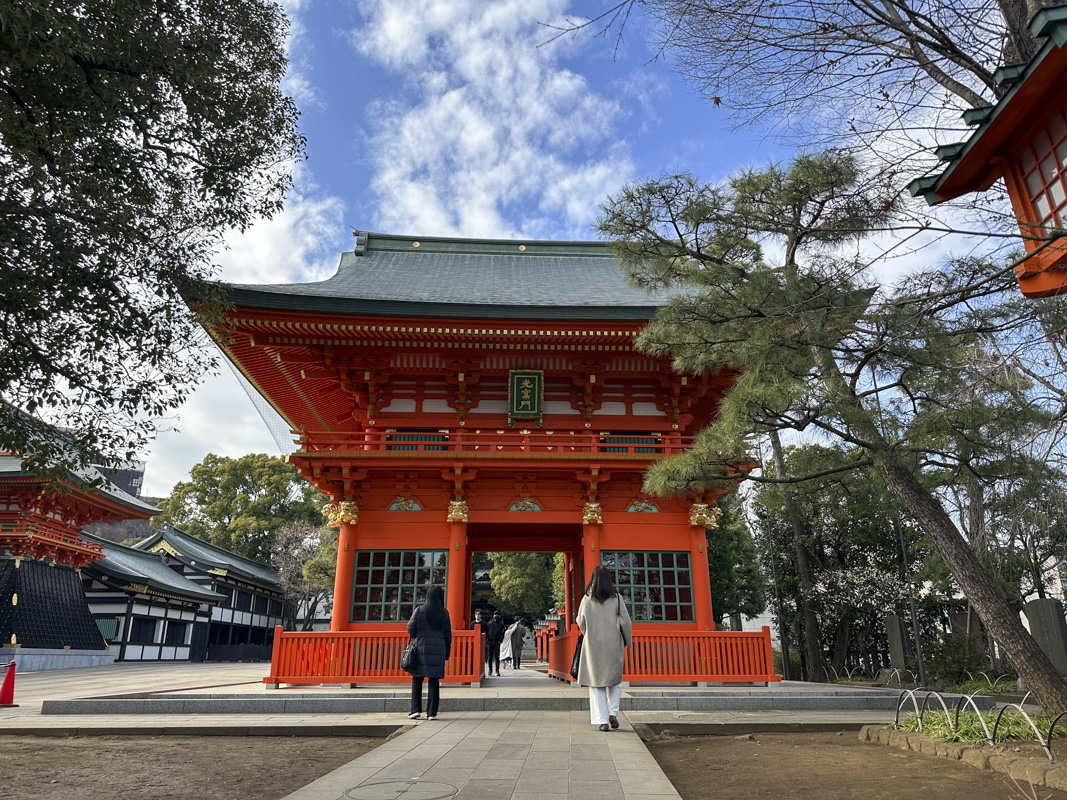
In many households, someone wears an oni (demon) mask while others throw beans at them. Large-scale Setsubun ceremonies are also held at temples and shrines, where crowds gather to take part in the festivities.
The Meaning of Bean Throwing
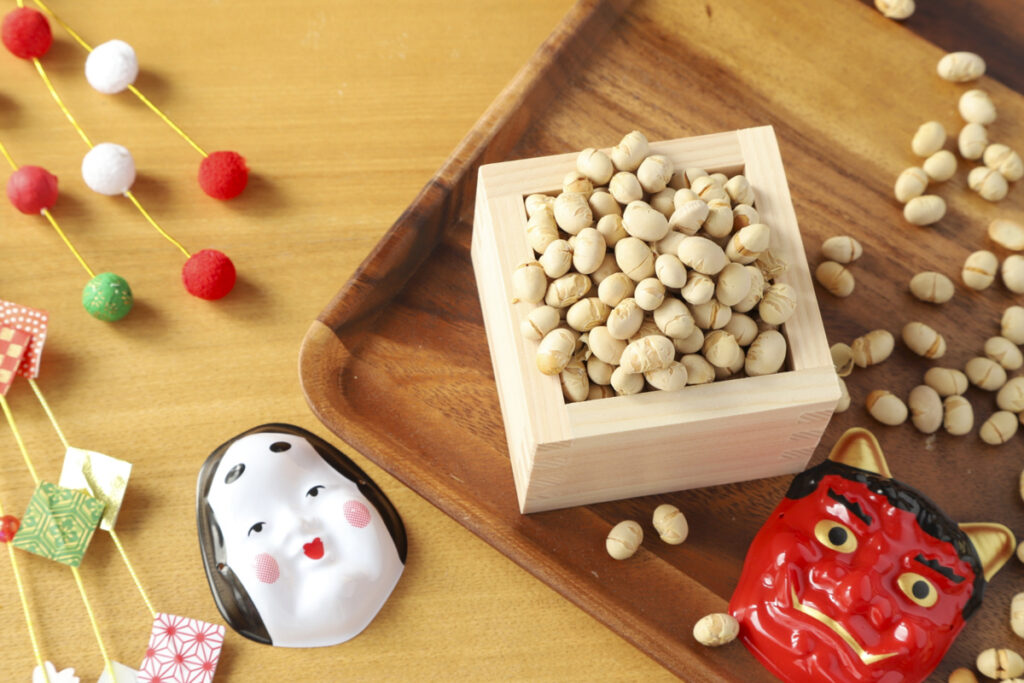
Bean throwing during Setsubun symbolizes the act of driving away evil and welcoming good fortune. The phrase “Oni wa soto, fuku wa uchi” means “Demons out, fortune in,” reflecting this belief.
Roasted soybeans are used because they are associated with vitality and because roasting prevents the beans from sprouting—symbolically ensuring that misfortune does not return.
Setsubun and Ehomaki
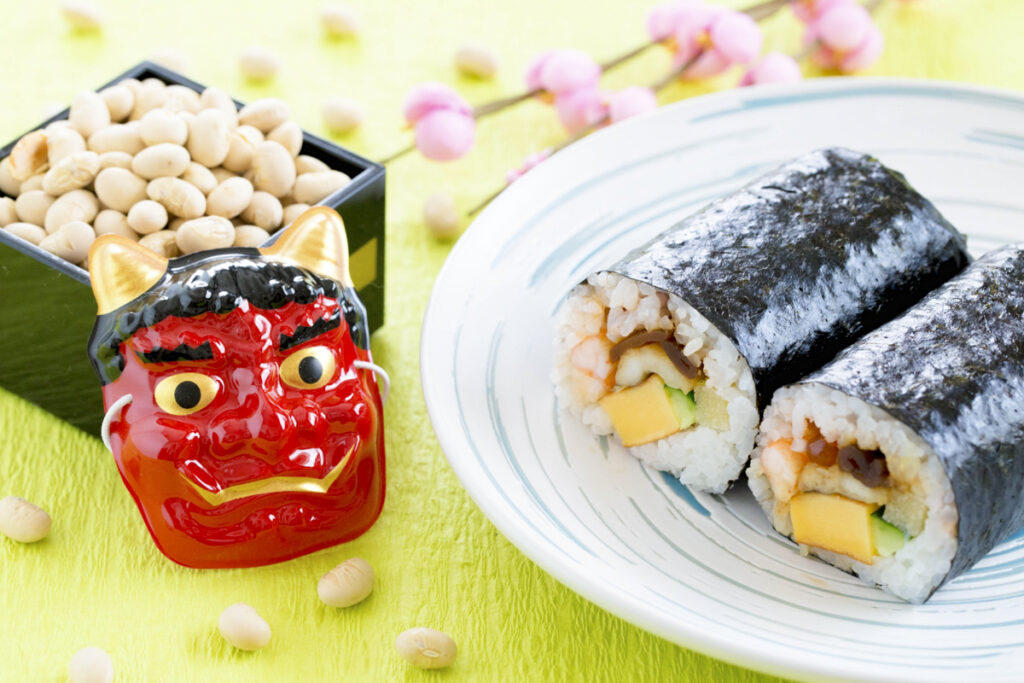
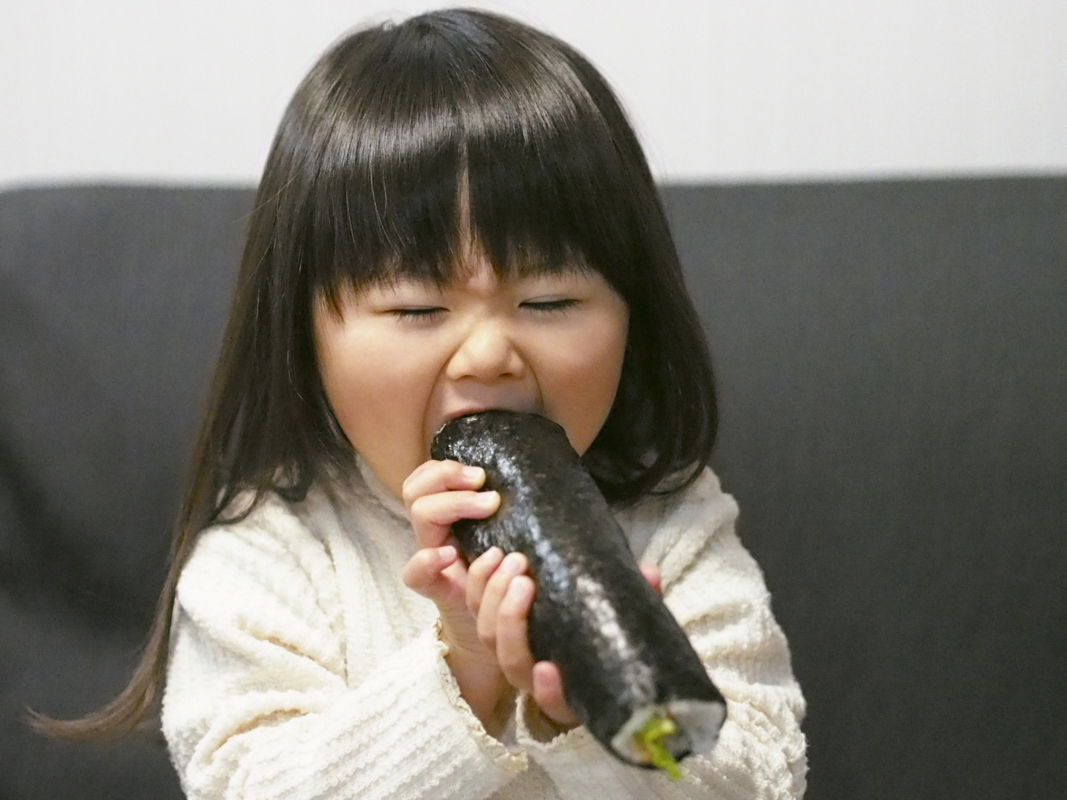
While bean throwing is the traditional core of Setsubun, eating ehomaki has become a popular custom in recent decades.
Ehomaki is a thick sushi roll eaten on Setsubun while facing the year’s lucky direction, known as ehō. This practice is believed to have originated in the Kansai region and has since spread throughout Japan, becoming widely recognized as a Setsubun tradition.
Setsubun in Modern Japan
In modern Japan, Setsubun is celebrated in both traditional and contemporary ways. Many families enjoy simplified bean-throwing rituals at home, while temples and shrines host large public events, sometimes featuring celebrities.
Although the style of celebration has evolved, Setsubun continues to be an important cultural event that connects modern life with traditional beliefs.
Conclusion
Setsubun is a traditional Japanese event deeply connected to seasonal change, spiritual beliefs, and cultural customs. By understanding its meaning, history, and associated practices such as bean throwing and eating ehomaki, Setsubun can be appreciated as more than a simple annual event.
For visitors to Japan, learning about Setsubun offers valuable insight into how Japanese culture marks time, change, and the hope for good fortune.
Looking for the original article in Japanese?
Click here to view the Japanese version on Daily Shinjuku.