Introduction
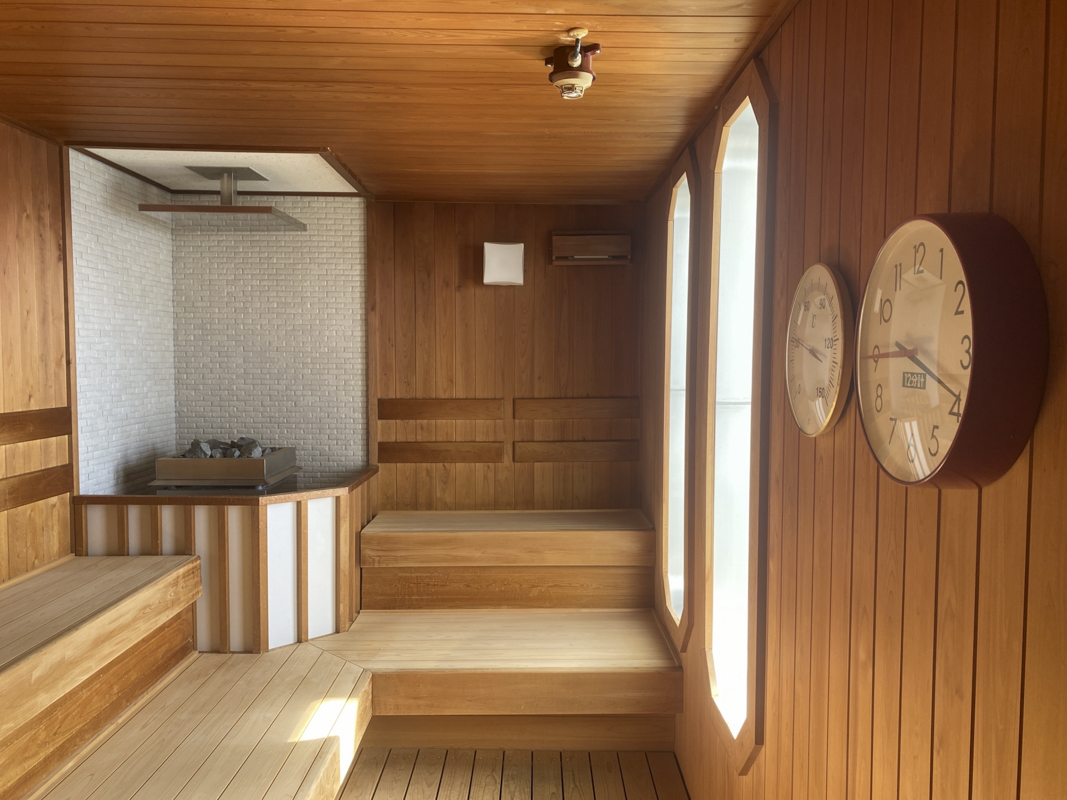
Shinjuku is home to a variety of sauna facilities, ranging from large spa complexes to saunas attached to capsule hotels and Korean-style spa facilities.
These locations are popular for relaxing after work, taking a break during sightseeing, or unwinding late at night.
Japanese sauna culture also differs in several ways from sauna traditions overseas. For visitors to Japan, experiencing a sauna can be a unique cultural activity.
In this article, we introduce sauna facilities located in the Shinjuku area and explain some of the distinctive characteristics of Japanese sauna culture.
Unique Features of Japanese Sauna Culture Compared to Overseas Saunas
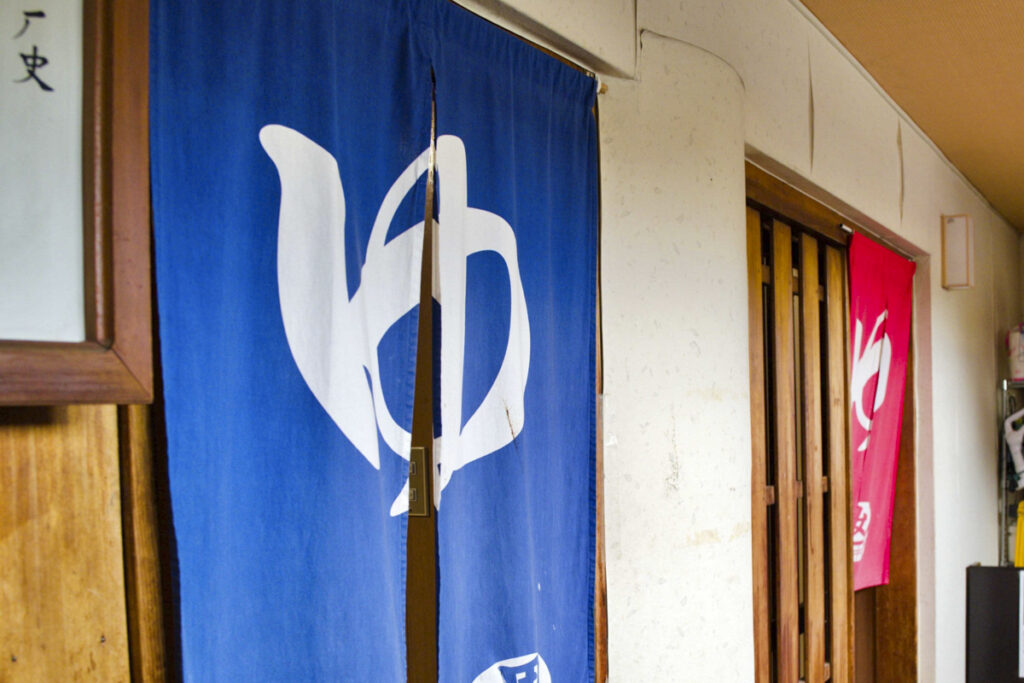
The Cold Bath and “Totonou” Experience
In Japan, the typical sauna routine involves heating up in the sauna, cooling down in a cold water bath, and then resting.
Repeating this cycle can create a refreshing sensation known in Japan as “totonou,” which roughly means reaching a perfectly balanced physical and mental state.
While cold plunges also exist in countries such as Finland, the structured cycle of sauna, cold bath, and rest is particularly emphasized in Japanese sauna culture.
Quiet and Relaxing Atmosphere
In some countries, saunas are social spaces where people chat and talk with friends.
In Japan, however, the sauna is usually treated as a quiet place for relaxation. Many facilities ask guests to keep conversations to a minimum.
Saunas Integrated with Bath Facilities
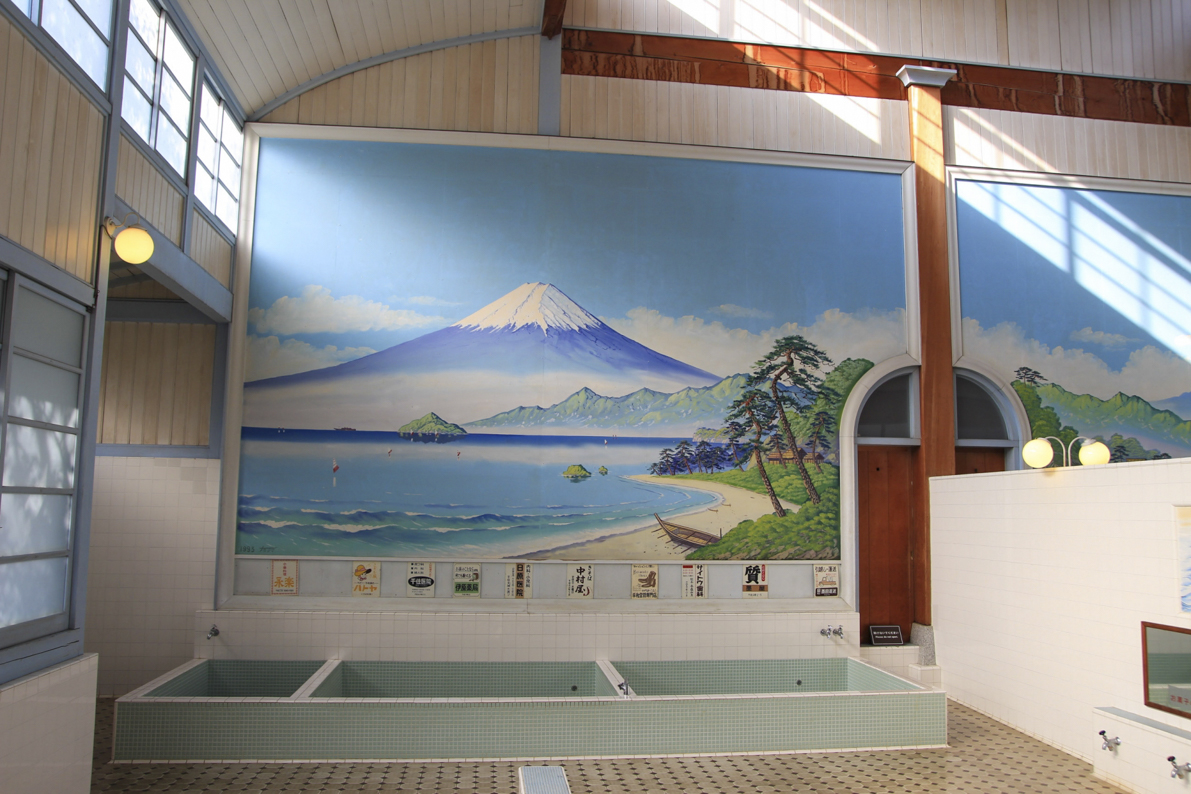
Unlike many overseas sauna venues that operate as standalone facilities, Japanese saunas are often part of larger bathhouses or spa complexes.
Visitors can usually enjoy a variety of baths alongside the sauna, such as hot spring baths, carbonated baths, and relaxation spaces.
Characteristics of Saunas in Shinjuku

Many Facilities Within Walking Distance of the Station
Shinjuku is one of the largest transportation hubs in Japan. Because of this, several sauna facilities are located within walking distance of the station.
This convenient access makes it easy to stop by a sauna after work or during a day of sightseeing.
A Variety of Sauna Styles
In Shinjuku, visitors can choose from different types of facilities, including large spa complexes, capsule hotels with saunas, and Korean-style spa facilities.
This variety allows guests to select a sauna experience that fits their schedule and preferences.
Sauna Facilities in the Shinjuku Area

Thermae-Yu (Kabukicho)
Thermae-Yu is one of the most well-known spa facilities in the Shinjuku area, located in Kabukicho.
The facility features a large bathing area that includes a natural hot spring bath, high-temperature sauna, cold bath, and outdoor relaxation area.
Visitors can also enjoy restaurants and lounge spaces inside the building, making it possible to spend several hours relaxing.
Address:1-1-2 Kabukicho, Shinjuku-ku, Tokyo
Hours:Open 24 hours
Access:About a 9-minute walk from Shinjuku Station East Exit
Anshin Oyado Shinjuku Ekimae
Anshin Oyado is a capsule hotel located near Shinjuku Station, equipped with a public bath and sauna.
The facility is known for its convenient location and comfortable amenities, making it popular among travelers and business visitors.
Because it is located very close to the station, it is easy to access even during short stays in the area.
Address:4-2-10 Shinjuku, Shinjuku-ku, Tokyo
Hours:Open 24 hours
Access:About a 1–2 minute walk from Shinjuku Station Southeast Exit
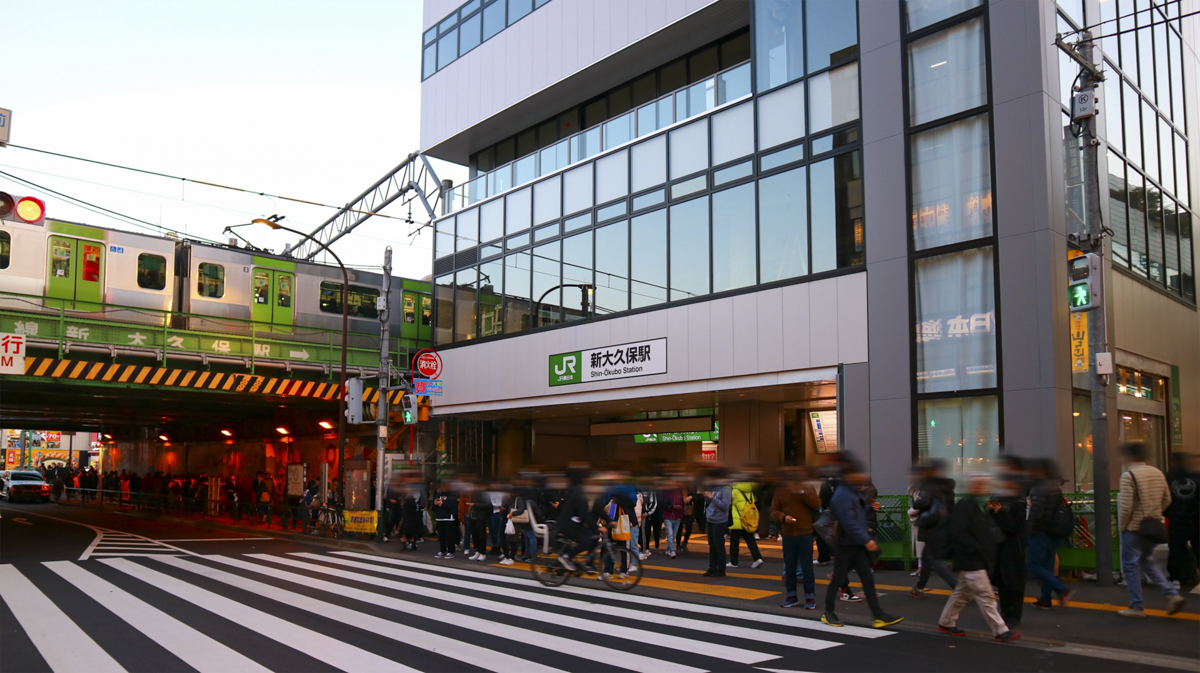
Ruby Palace (Shin-Okubo)
Ruby Palace is a Korean-style spa facility located in the Shin-Okubo area.
The spa is known as a women-only facility and offers saunas, stone spa rooms, and relaxation areas.
It provides an opportunity to experience Korean spa culture while staying in the Shinjuku area.
Address:1-12-2 Okubo, Shinjuku-ku, Tokyo
Hours:Open 24 hours
Access:About a 5-minute walk from Shin-Okubo Station
Summary
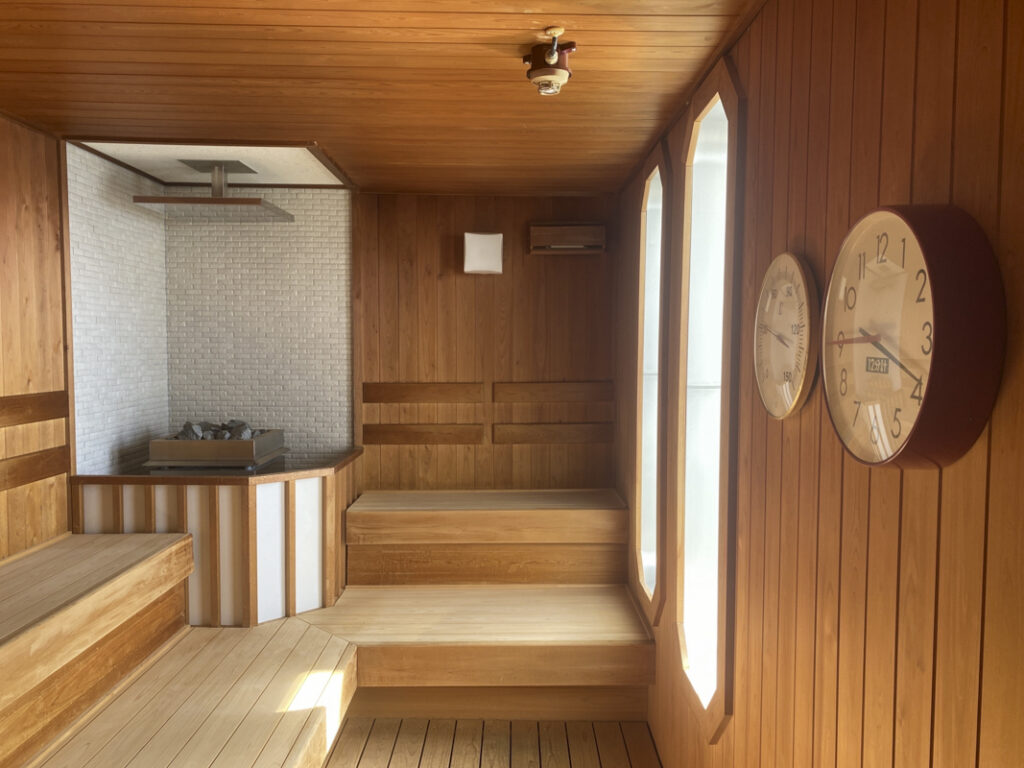
Shinjuku offers several different types of sauna facilities, including large spa complexes, station-area saunas, and Korean-style spas.
Many of these locations are within walking distance of Shinjuku Station, making them convenient for both locals and visitors.
Japanese sauna culture also features unique elements such as cold baths and the “totonou” experience, which differ slightly from sauna traditions overseas.
If you are looking for a sauna in Shinjuku, exploring these facilities can be a relaxing way to experience Japanese bathing culture.
Looking for the original article in Japanese?
Click here to view the Japanese version on Daily Shinjuku.