
Introduction
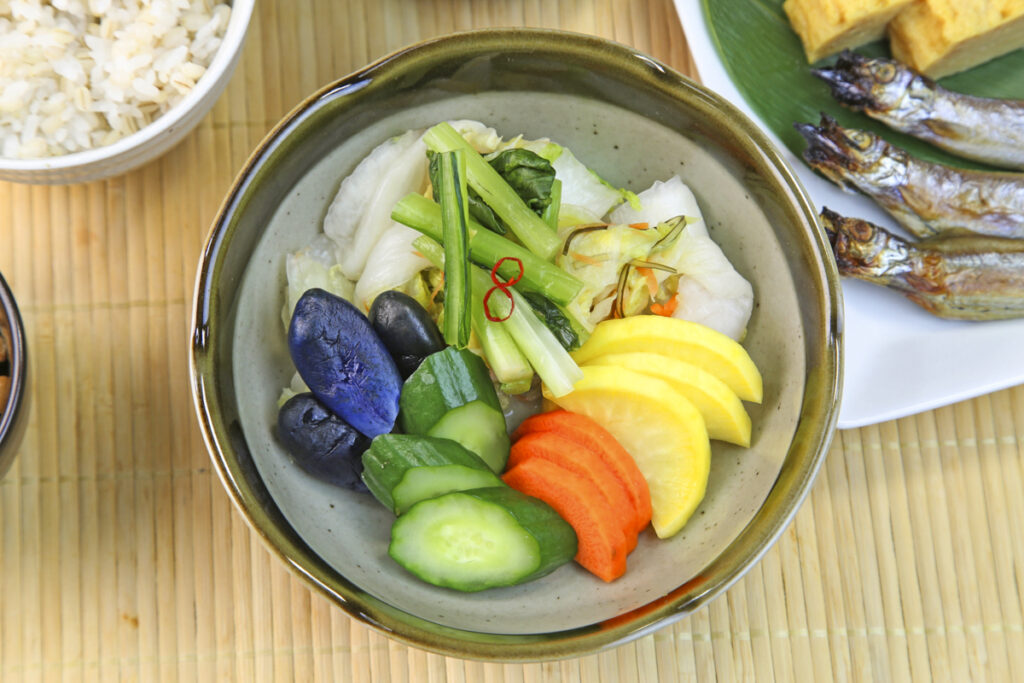
Japanese pickles, known as tsukemono, are a traditional preserved food made by pickling vegetables in salt, rice bran, miso, or soy sauce. Their distinctive flavor and crisp texture make them an essential part of Japanese cuisine.
In Shinjuku, many varieties of tsukemono can be found mainly in the food floors of major department stores. From long-established Kyoto pickle brands to creative modern pickles, these products are popular both for everyday meals and as souvenirs.
In this article, we introduce the cultural background of Japanese pickles, the vegetables commonly used to make them, and places in Shinjuku where you can buy them.
What Are Japanese Pickles? A Traditional Preserved Food
A Traditional Method for Preserving Vegetables
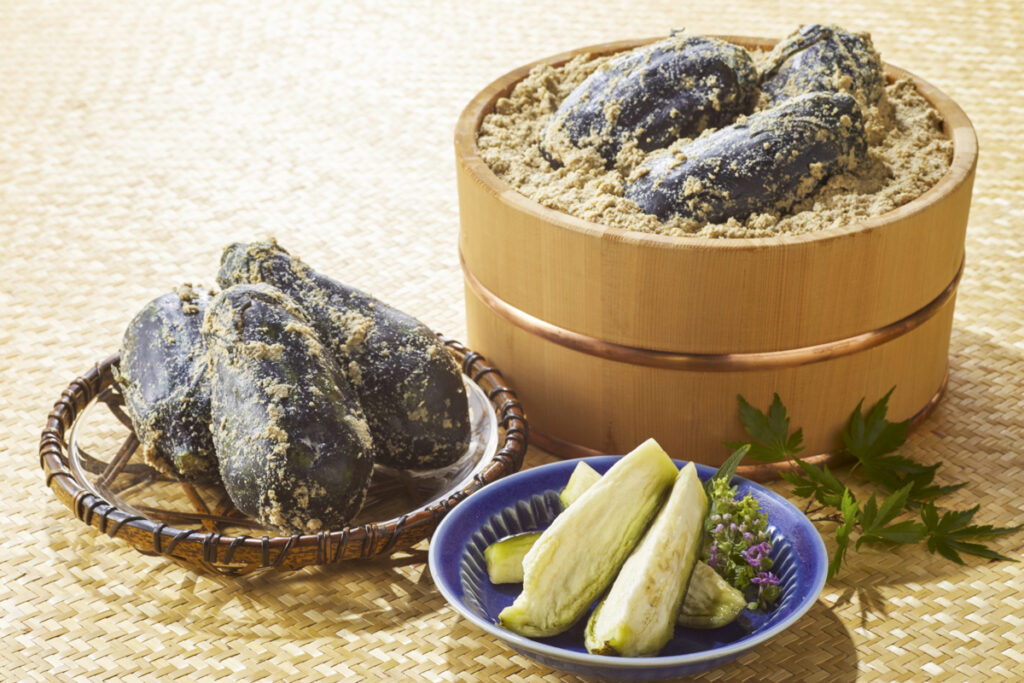
Tsukemono are vegetables preserved by pickling them in salt, rice bran (nukadoko), miso, or soy sauce. Long before refrigeration became common, this method allowed vegetables to be stored for longer periods.
Many pickles develop rich flavors through fermentation. For example, nukazuke (rice bran pickles) and shibazuke from Kyoto are well known as part of Japan’s fermentation culture. These pickles appear both in home cooking and in traditional Japanese restaurants.
Vegetables Commonly Used for Pickling
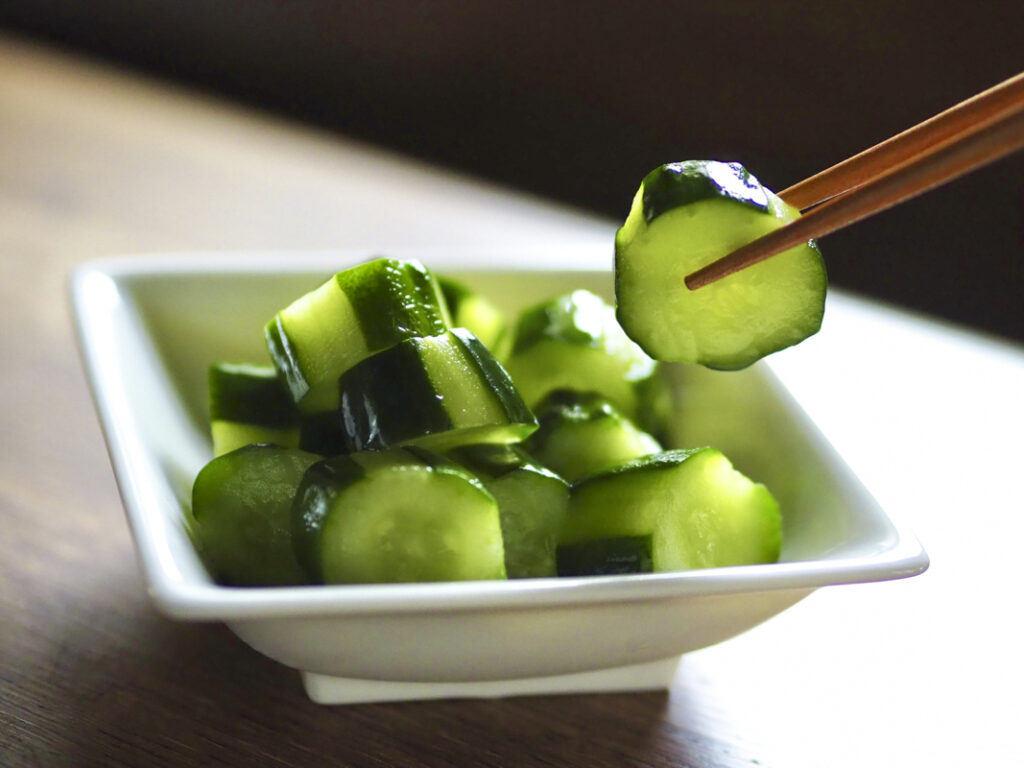
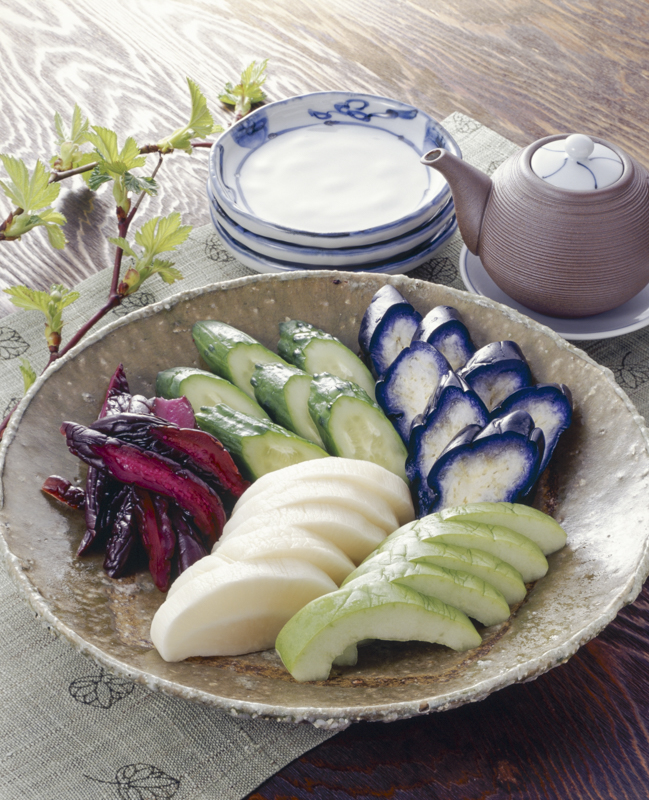
A wide range of vegetables can be used to make tsukemono. Some of the most common are daikon radish, cucumber, Chinese cabbage, eggplant, and turnip. These vegetables have high water content and respond well to pickling techniques.
Kyoto’s famous senmaizuke is made with thinly sliced turnips, while Nozawana-zuke from Nagano is prepared using the leafy vegetable nozawana. In Kyushu, pickled mustard greens known as takana-zuke are widely enjoyed. Each region uses different vegetables and pickling styles, giving Japanese pickles a wide diversity.
A Classic Side Dish in Japanese Meals
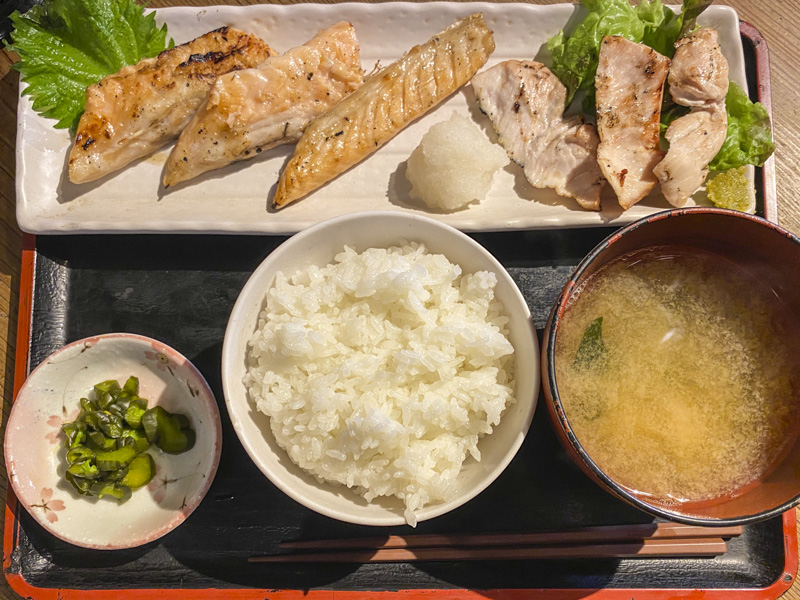
In Japan, pickles are traditionally served as a small side dish alongside rice. Their salty or slightly sour flavor provides balance to a meal and enhances the overall taste of the main dishes.
Even a small portion placed on a side plate can add texture and flavor contrast, which is why tsukemono are often included in Japanese set meals.
Regional Variety in Japanese Pickles
Different regions of Japan have their own unique pickles shaped by local climate and food culture. Kyoto is famous for its refined Kyoto pickles such as shibazuke and senmaizuke. Nagano is known for Nozawana pickles, while Kyushu is famous for takana pickles. In the Tohoku region, smoked pickled radish called iburigakko is popular.
These regional specialties make tsukemono not only a food item but also a reflection of local culinary traditions.
Shops in Shinjuku Where You Can Buy Pickles
Nishiri – Isetan Shinjuku
Nishiri is a well-known Kyoto pickle brand with a long history. The shop located in the basement food floor of Isetan Shinjuku offers a variety of traditional Kyoto pickles.
Popular products include senmaizuke (thinly sliced pickled turnip) and yuzu daikon (daikon pickled with yuzu citrus). Many items are vacuum-packed, making them convenient to take home as souvenirs.
Ginza Wakana – Takashimaya Shinjuku
Ginza Wakana is a pickle specialty shop originating in Ginza. In addition to traditional Japanese pickles, the brand also produces creative varieties.
One of their distinctive products is cheese miso pickles, which combine traditional pickling techniques with modern flavors. The shop at Takashimaya Shinjuku offers a wide selection, including gift sets.
Japanese Pickles as Souvenirs
A Taste of Japanese Food Culture
Tsukemono represent an important part of Japanese culinary culture. Because they are served in many traditional meals, they are often seen as a classic Japanese food item.
Easy to Carry Thanks to Vacuum Packaging
Many pickles sold in department stores are vacuum-sealed, making them easier to transport. This makes them a practical food souvenir for travelers.
Seasonal Varieties
Since tsukemono are often made using seasonal vegetables, the selection can change depending on the time of year. Seasonal pickles allow visitors to experience different flavors throughout the year.
Conclusion

In Shinjuku, Japanese pickles can mainly be found in department store food floors, where traditional Kyoto brands and modern pickle makers offer a wide selection.
Tsukemono are not only a popular side dish in Japanese meals but also a food that reflects the country’s culinary heritage. When visiting Shinjuku, exploring these pickle shops is a simple way to experience an authentic part of Japanese food culture.
Looking for the original article in Japanese?
Click here to view the Japanese version on Daily Shinjuku.