
Shinjuku is home to a wide variety of accommodations, including city hotels, business hotels, and capsule hotels. Among them, love hotels stand out as a uniquely Japanese form of lodging.
In particular, Shinjuku has long been an area where love hotel culture has taken root due to its role as one of Tokyo’s largest entertainment districts.
This article explains what love hotels in Shinjuku are, why they are concentrated in this area, and how they differ from ordinary city hotels, based strictly on factual information.
What Are Love Hotels in Shinjuku?
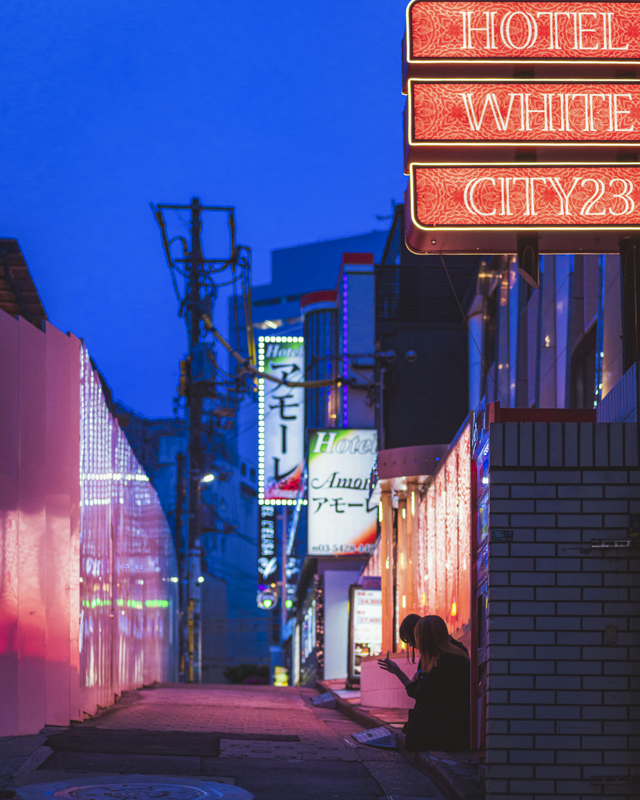
Love hotels in Shinjuku are accommodations primarily designed for couples to spend private, intimate time together, including sexual activity.
Unlike standard hotels, their design prioritizes privacy above all else, allowing guests to remain largely unseen by others.
Many facilities use non-face-to-face systems for check-in and payment, along with layouts that prevent visibility from outside. These features exist specifically to create a space where couples can engage in intimate activities without concern for public exposure.
Why Are There So Many Love Hotels in Shinjuku?
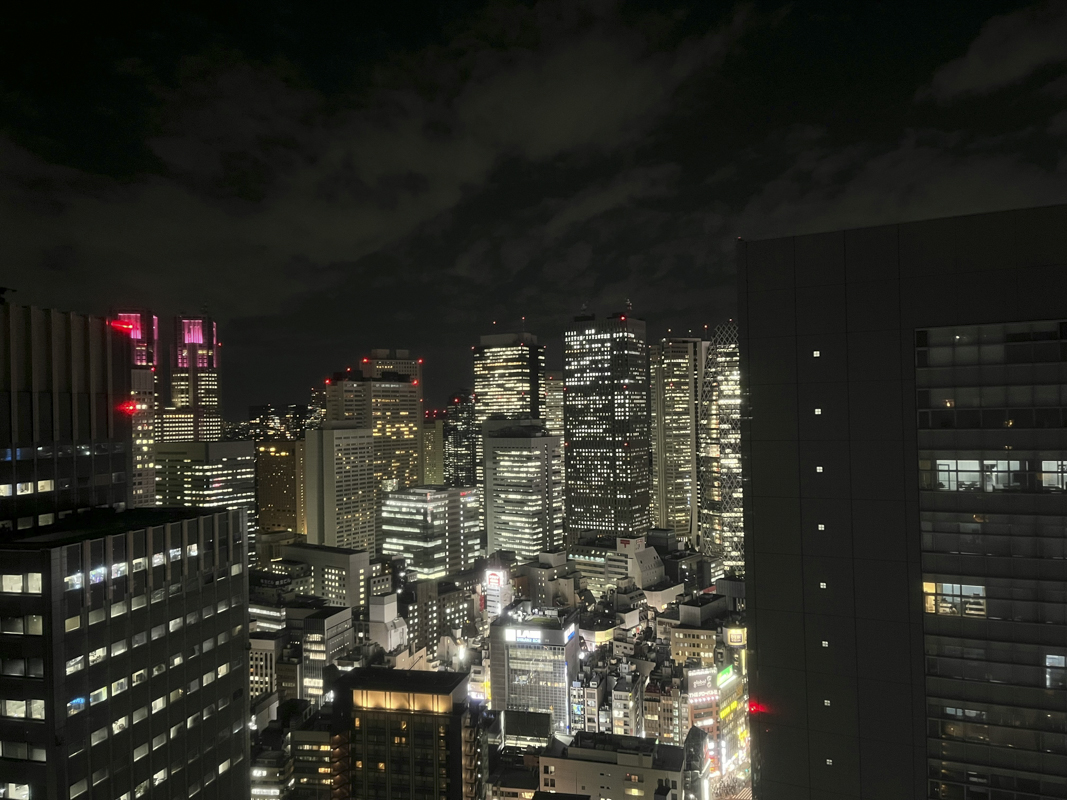
Shinjuku is one of Japan’s busiest urban centers, with constant foot traffic day and night.
Restaurants, bars, clubs, and entertainment venues are densely packed, especially in nightlife-oriented areas.
As a result, demand naturally developed for places where couples could move seamlessly from dining or drinking into a private setting.
Additional factors include short-term stays after missing the last train and the desire for anonymity in a crowded city, all of which contributed to the concentration of love hotels in Shinjuku.
Areas in Shinjuku Where Love Hotels Are Concentrated
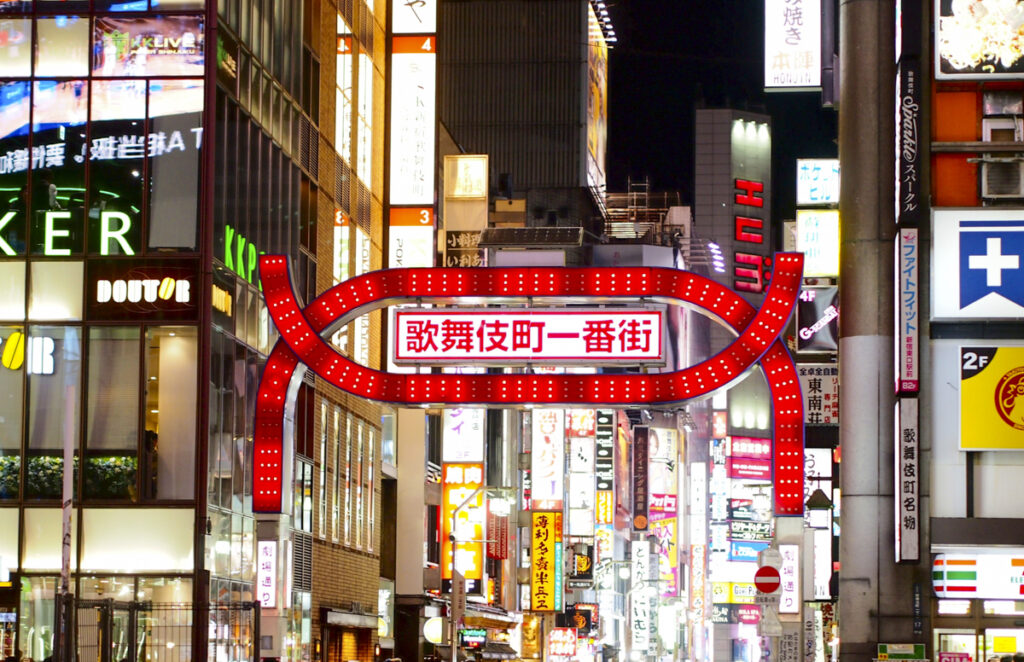
The largest concentration of love hotels is found in Kabukicho.
Kabukicho’s nightlife-focused environment aligns closely with the usage patterns of love hotels, making proximity an advantage.
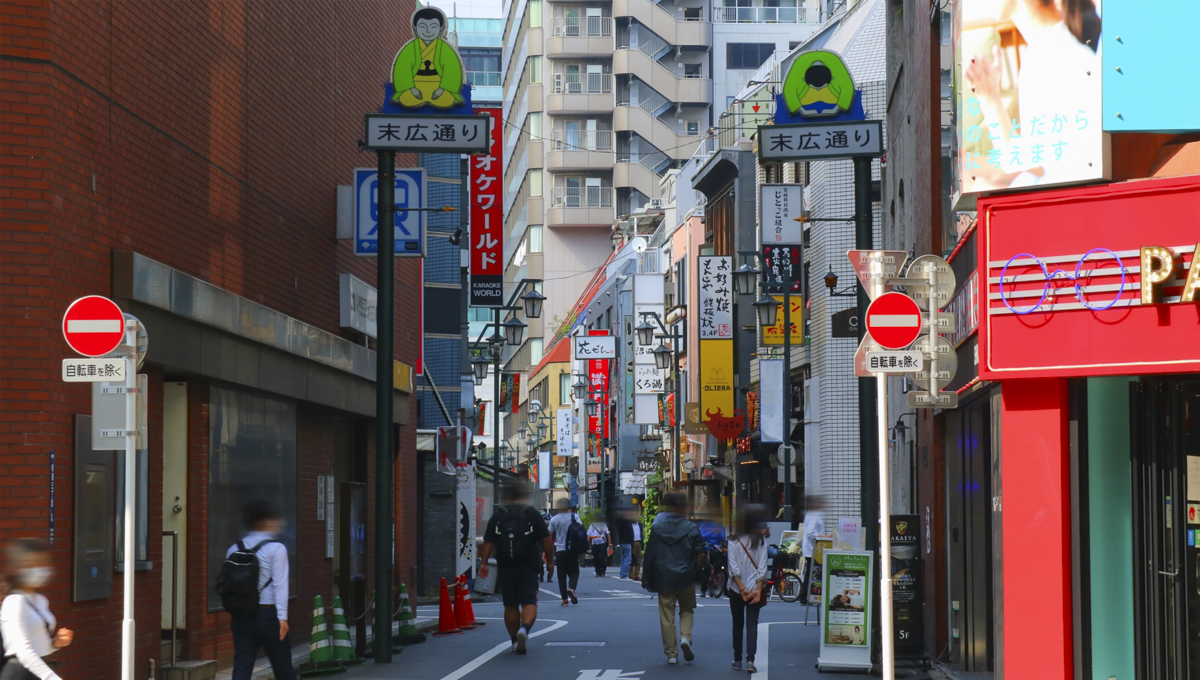
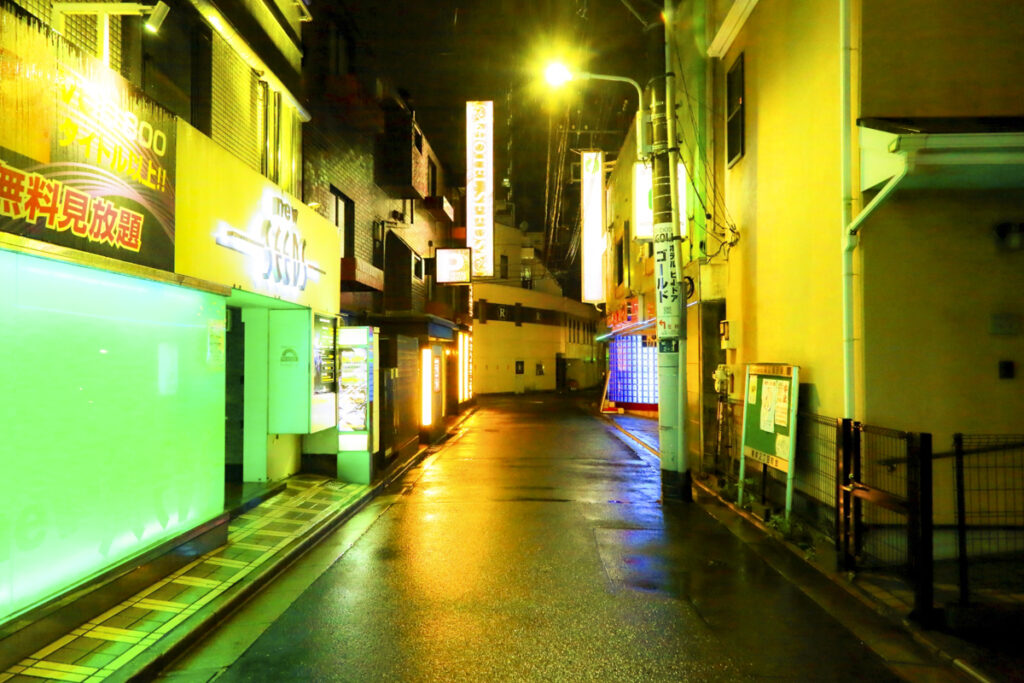
Outside Kabukicho, love hotels are also scattered around Shinjuku Station and toward the Okubo area. These locations often feature slightly calmer surroundings, though the fundamental purpose of the facilities remains the same.
Key Features of Love Hotels in Shinjuku
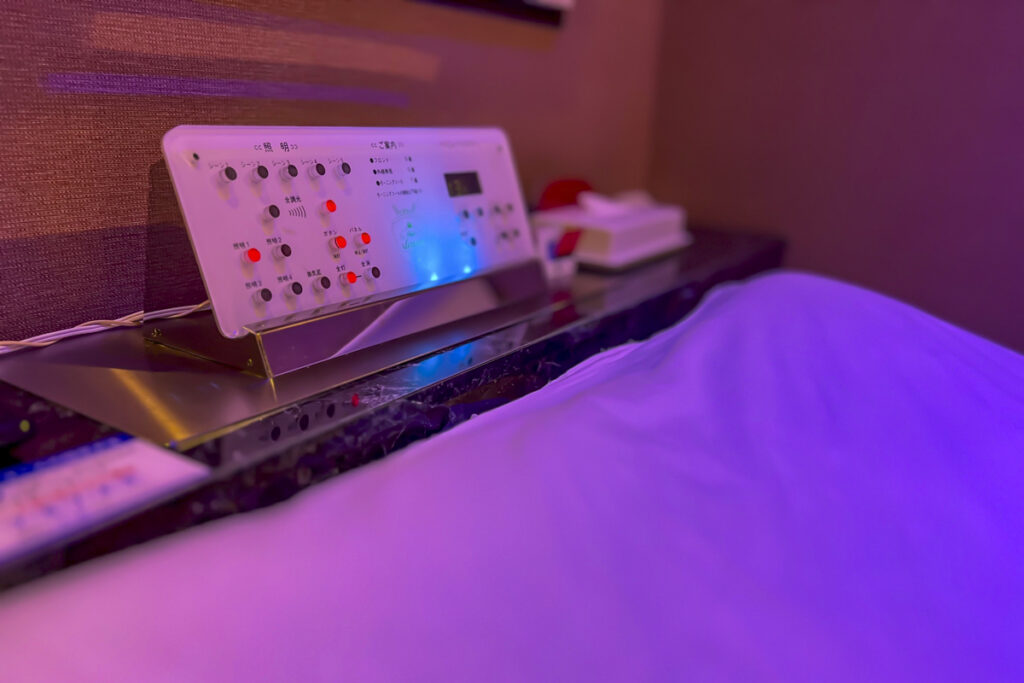
The defining characteristic of love hotels is that their rooms are designed with sexual use in mind.
Common features include large beds, adjustable lighting, spacious bathrooms, and in-room entertainment systems, all intended to support extended private stays for couples.
In recent years, many facilities have invested heavily in cleanliness and interior design. As a result, modern love hotels often appear more refined than older stereotypes might suggest.
Differences Between Love Hotels and City Hotels
The most significant difference lies in purpose.
Love hotels are intended for intimate, private use by couples, whereas city hotels are designed for tourism, business travel, and overnight stays as part of longer trips.
Pricing systems also differ.
Love hotels commonly use time-based pricing such as “rest” (short stays) and “stay” (overnight), allowing flexible use. City hotels typically charge per night.
In terms of services, love hotels focus almost entirely on the guest room itself and privacy, while city hotels emphasize front-desk service, shared facilities, and hospitality staff interaction.
Who Uses Love Hotels in Shinjuku?
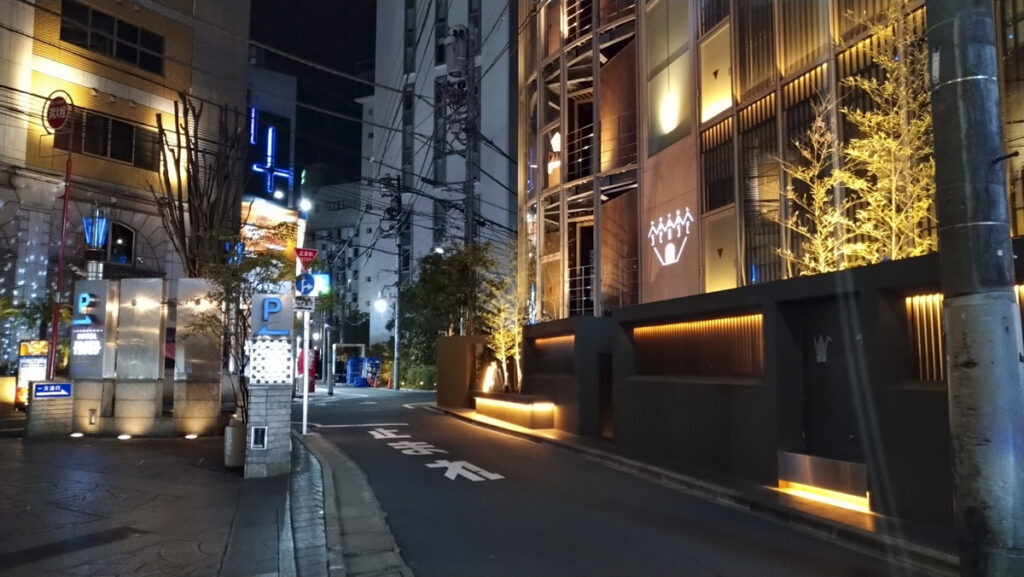
While couples remain the primary users, actual usage has diversified.
Some people use love hotels for short naps after missing the last train or for brief stays between appointments. However, the core design philosophy and services continue to be centered on couple-based, intimate use.
Important Things to Know Before Using a Love Hotel
Rules, pricing, and payment systems vary by facility. Guests should always check posted information before entering a room.
Photography policies and accepted payment methods also differ. Respecting each hotel’s rules is essential to avoiding issues during use.
Conclusion

Love hotels in Shinjuku represent a distinctively Japanese accommodation culture built around providing privacy for sexual and intimate activities.
They differ fundamentally from city hotels in purpose, design, and pricing structure. Understanding this distinction offers valuable insight into both Shinjuku’s nightlife culture and Japan’s broader urban accommodation landscape.
Looking for the original article in Japanese?
Click here to view the Japanese version on Daily Shinjuku.