
Introduction
Japan has many traditional foods that are closely tied to seasonal events and annual customs. One of these is ehomaki, a special sushi roll eaten on the day of Setsubun.
Although ehomaki is now widely known throughout Japan, its original meaning, background, and proper way of eating are not always well understood. This article explains what ehomaki is, its cultural significance, and where you can enjoy ehomaki in Shinjuku.
What Is Ehomaki?
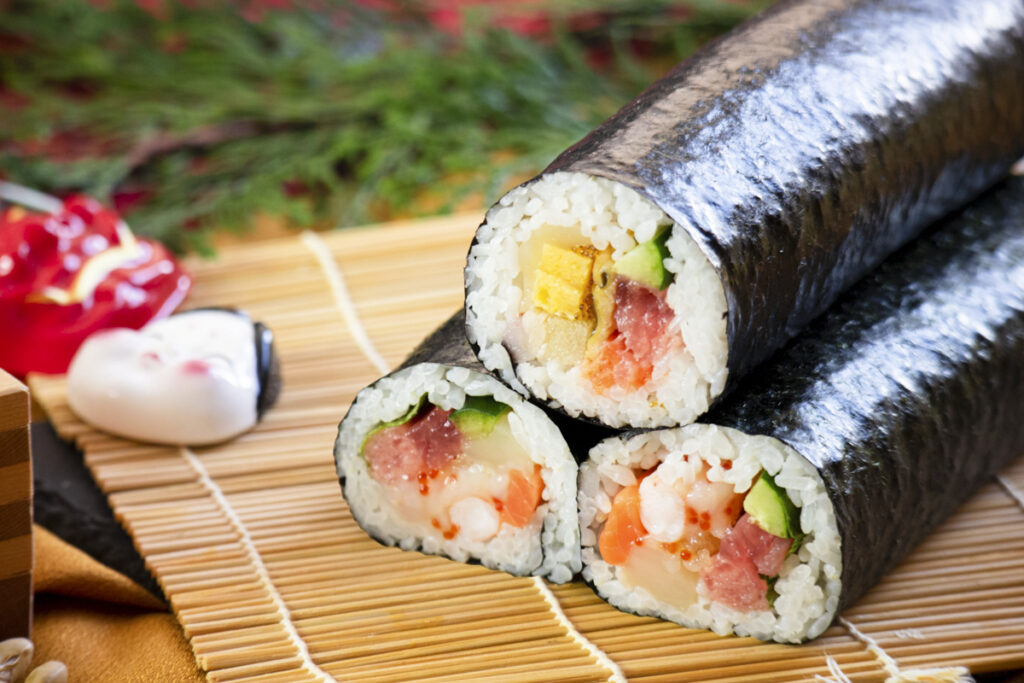
Ehomaki is a thick sushi roll eaten on Setsubun, a seasonal event that marks the beginning of spring in the traditional Japanese calendar. Unlike regular sushi rolls, ehomaki is eaten while facing the year’s ehō, the lucky direction believed to bring good fortune.
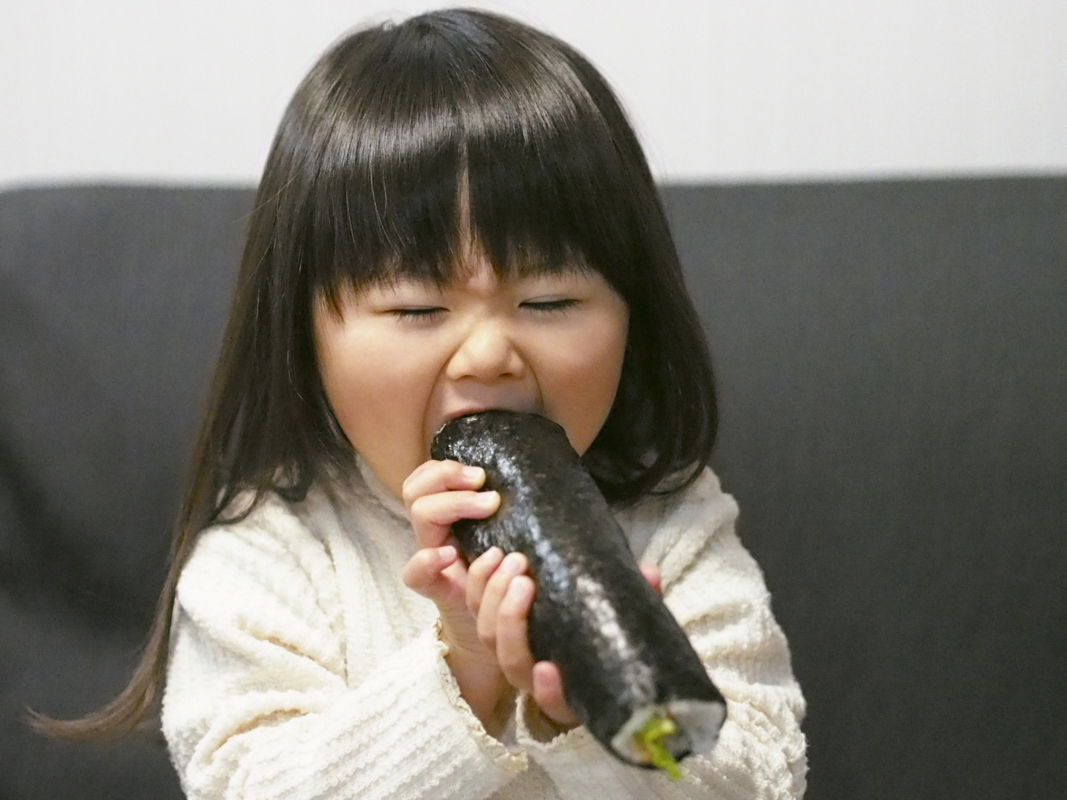
Ehomaki is traditionally eaten whole, without cutting it into pieces. This practice is associated with the idea of not “cutting” good luck or relationships.
The Origin and History of Ehomaki
The origin of ehomaki is most commonly associated with the Kansai region of Japan. It is believed to have started as a custom to wish for good health and prosperity during Setsubun.
From the late 20th century onward, the practice spread nationwide through retailers and media, and today ehomaki is recognized across Japan as a seasonal food closely tied to Setsubun.
The Meaning Behind Ehomaki
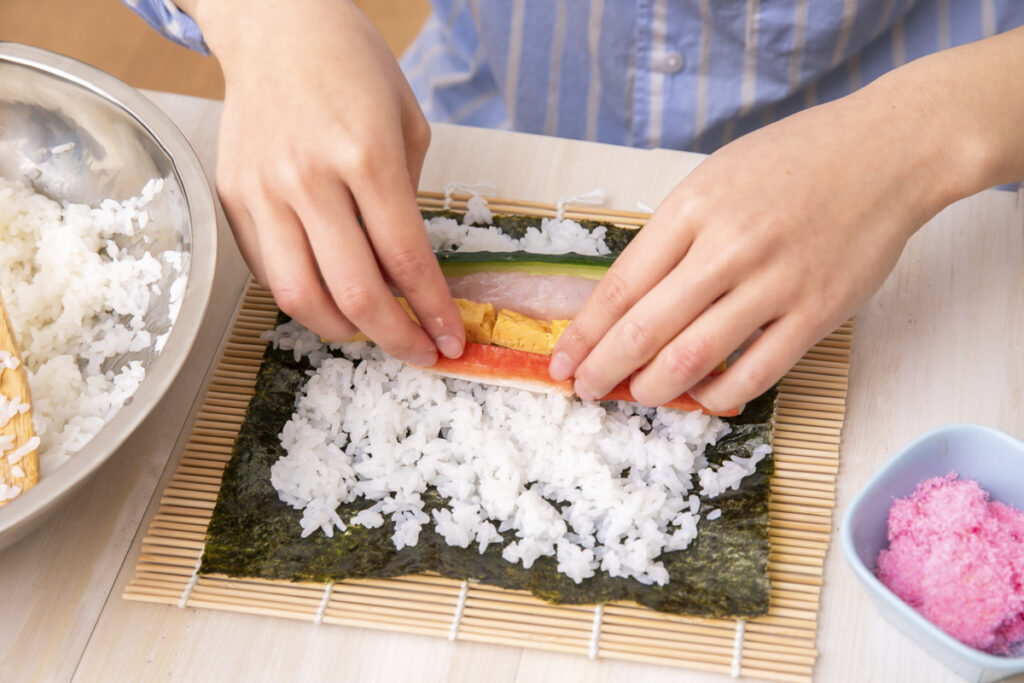
Ehomaki carries symbolic meaning rooted in Japanese beliefs about luck and fortune. The word ehō refers to the direction where Toshitokujin, a deity associated with good fortune, is believed to reside in that year.
Eating the roll silently while facing this direction is said to help ensure good luck. Finishing the roll without speaking is thought to prevent fortune from “escaping.”
Typical Ingredients of Ehomaki
Traditionally, ehomaki is made with seven ingredients, representing the Seven Lucky Gods of Japanese folklore. Common ingredients include dried gourd strips, rolled omelet, cucumber, simmered shiitake mushrooms, eel or conger eel, and sweet fish flakes.
In modern Japan, variations are common, including seafood-focused rolls or creative versions using meat and other ingredients. These adaptations have helped ehomaki remain popular in contemporary food culture.
How to Eat Ehomaki Properly
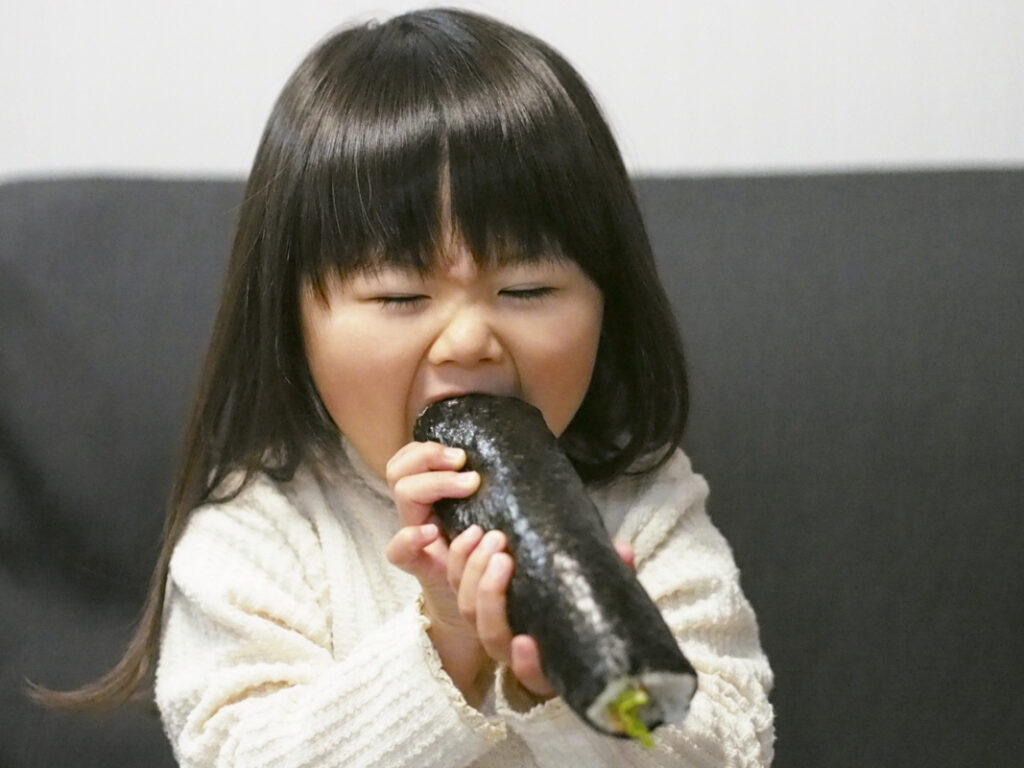
Ehomaki is eaten on Setsubun, usually in early February. Before eating, the lucky direction for the year is determined, and the roll is eaten while facing that direction.
Although tradition encourages eating the roll silently and whole, many people today enjoy ehomaki in a relaxed way that suits their household or situation. Understanding the meaning behind the custom is considered more important than strict adherence.
Where to Buy Ehomaki in Shinjuku
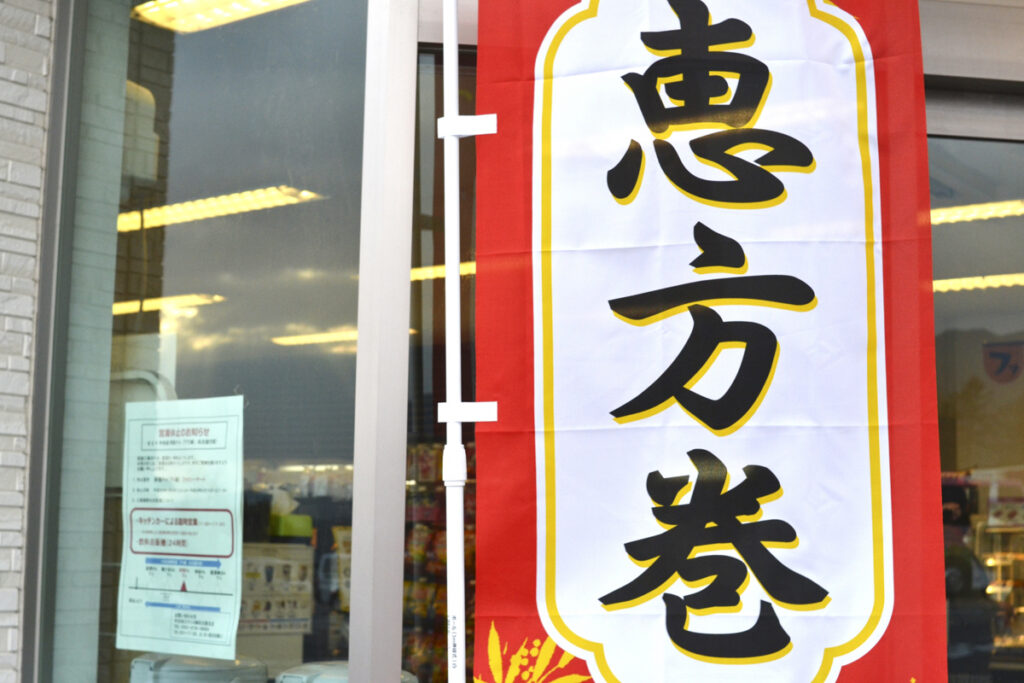
In Shinjuku, ehomaki is mainly available during the Setsubun season at department store food halls. These locations offer a wide variety of ehomaki, prepared by sushi shops and Japanese delicatessen brands.
Isetan Shinjuku
During Setsubun, the food hall at Isetan Shinjuku features numerous ehomaki options, ranging from traditional styles to premium seafood rolls. It is a good choice for those who value quality and variety.
Keio Department Store Shinjuku
Connected directly to Shinjuku Station’s West Exit, Keio Department Store offers ehomaki every year during the Setsubun season. Its convenient location makes it easy to stop by on the way home or while transferring between train lines.
Odakyu Area (Around Odakyu Ace)
Around Shinjuku Station’s Odakyu area, ehomaki is sold at Odakyu-affiliated food sections during Setsubun. These locations are easy to access within the station, making them a convenient option for quick purchases.
Conclusion
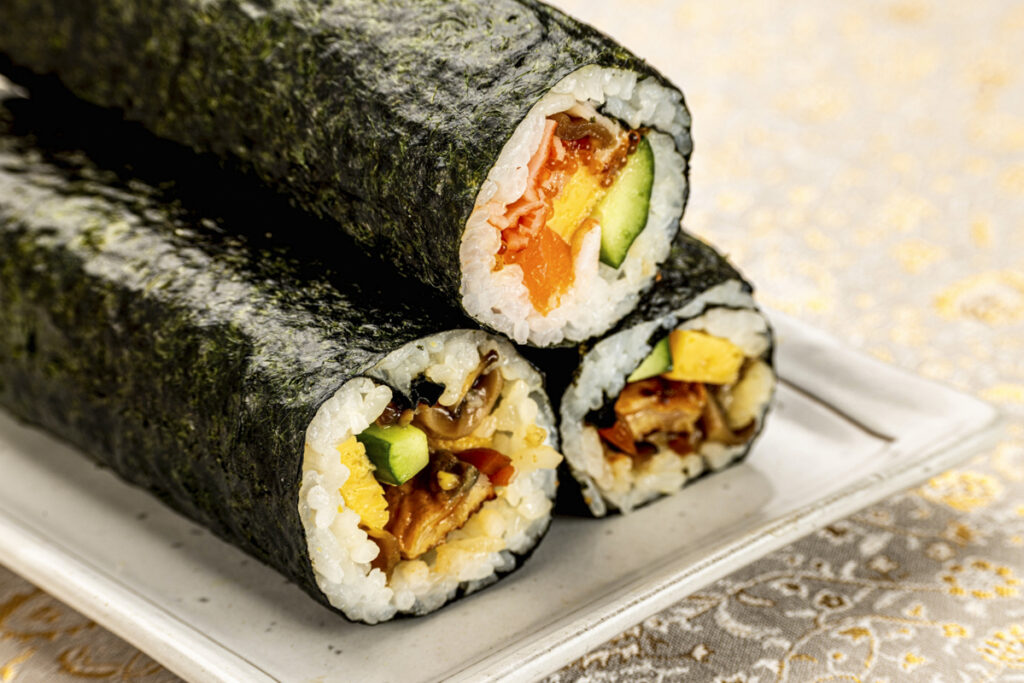
Ehomaki is a seasonal food deeply connected to Setsubun and traditional Japanese beliefs about luck and fortune. By understanding its origin, meaning, and proper way of eating, ehomaki can be appreciated as more than just a sushi roll.
In Shinjuku, department store food halls provide an easy way to experience this Japanese custom, allowing visitors to enjoy a meaningful seasonal tradition even in the heart of the city.
Looking for the original article in Japanese?
Click here to view the Japanese version on Daily Shinjuku.