
Introduction
Japanese New Year is one of the most important annual events in Japan. It is a time for families to gather, enjoy traditional decorations and special foods, and visit shrines or temples.
In this article, we explain Japanese New Year in a clear and simple way for foreign visitors, introducing its cultural background and how people typically spend this special time.
What Is Japanese New Year?
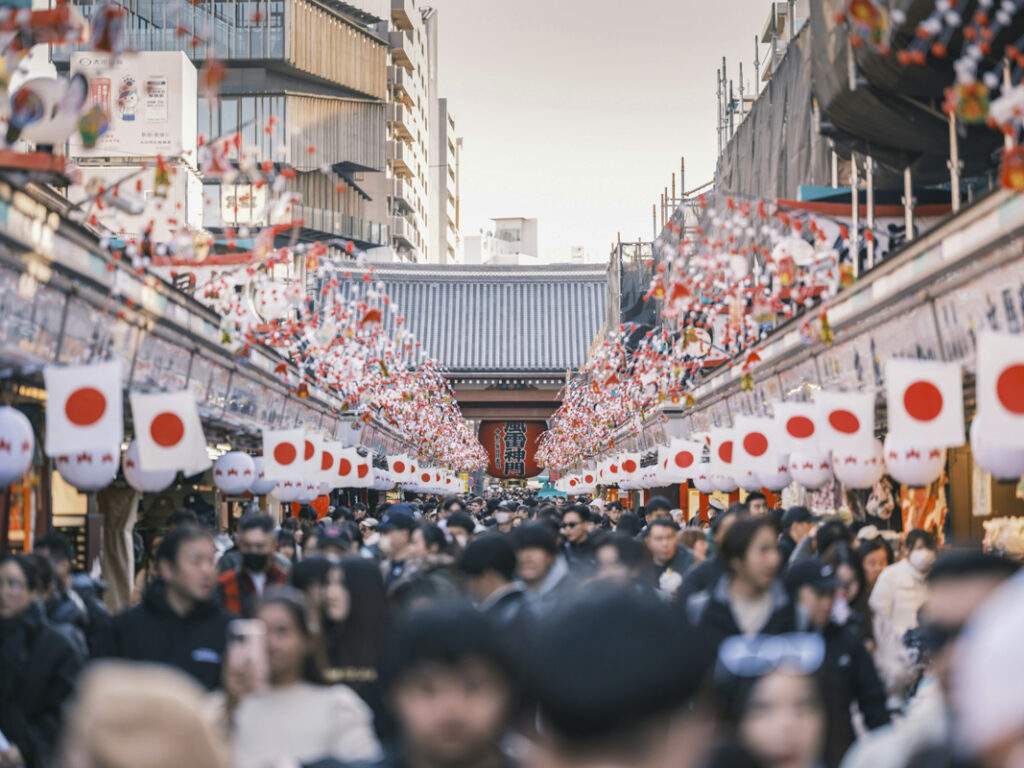
Japanese New Year marks the beginning of a new year and is considered a very special period. Japan follows the solar calendar, and January 1 is celebrated as New Year’s Day.
Rather than being just a public holiday, Japanese New Year is a time to reset the mind and body and to wish for happiness, health, and good fortune in the year ahead.
When Is Japanese New Year Celebrated?
In Japan, New Year is generally celebrated from January 1 to January 3, a period known as Sanganichi (the first three days of the year).
Many businesses and schools close during this time, and people prioritize spending quiet time with their families. The atmosphere across Japan becomes noticeably calmer compared to ordinary days.
Common Japanese New Year Traditions
Hatsumode (First Shrine or Temple Visit)
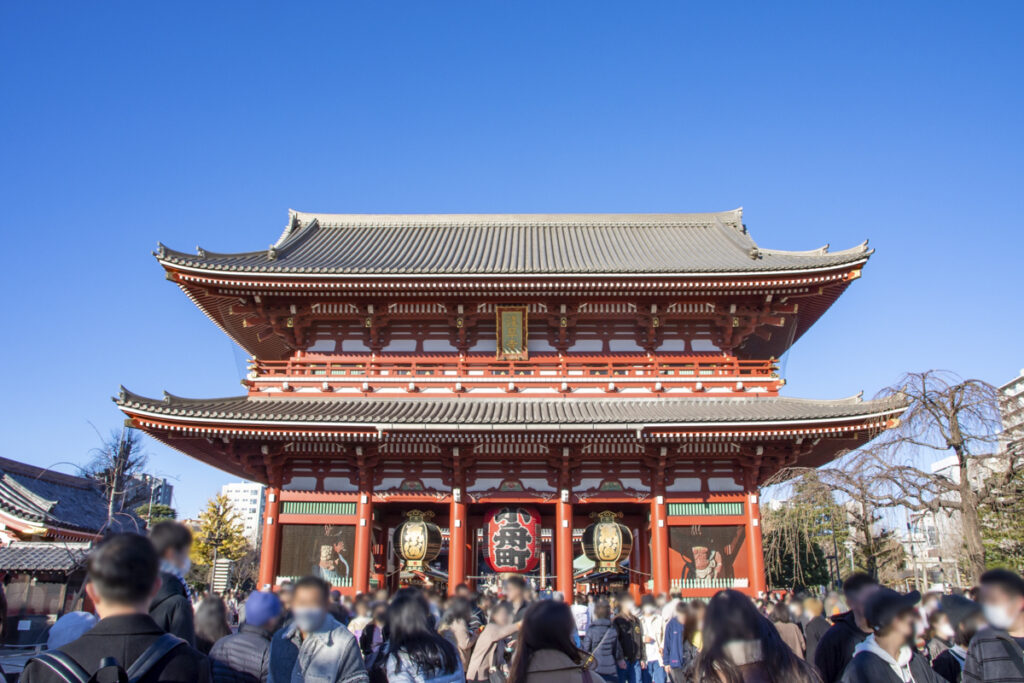
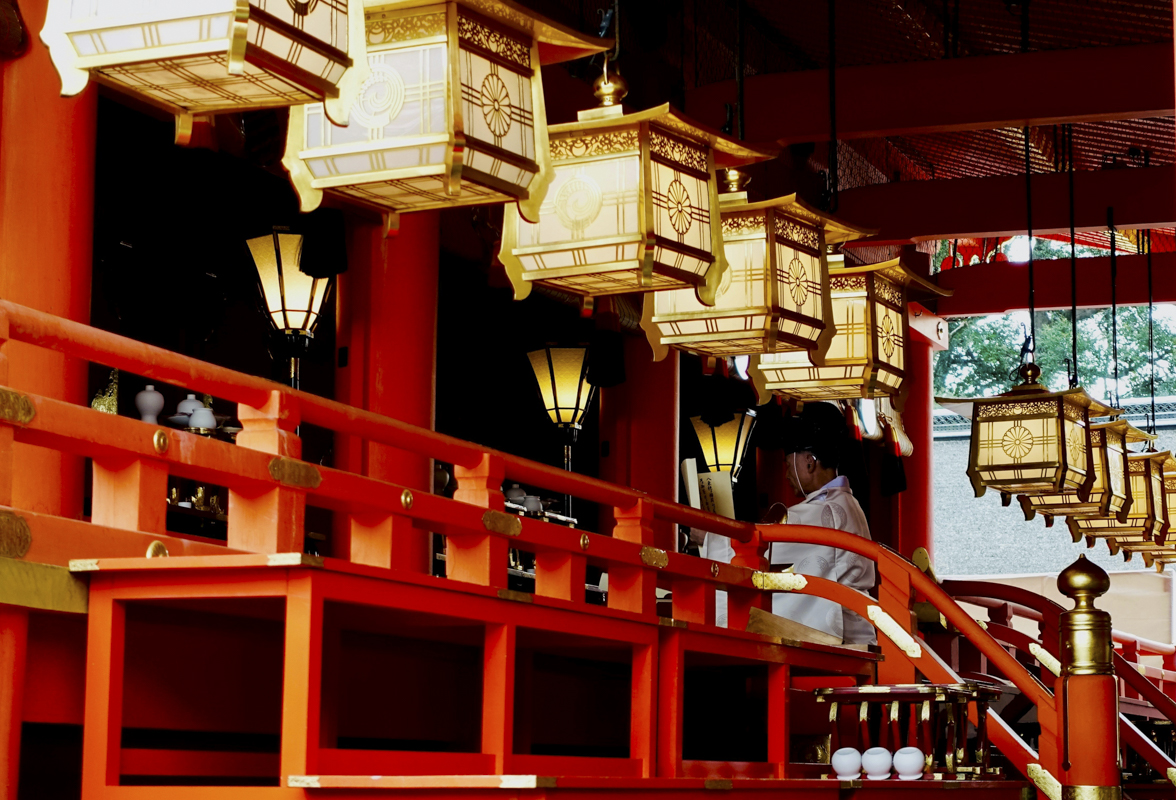
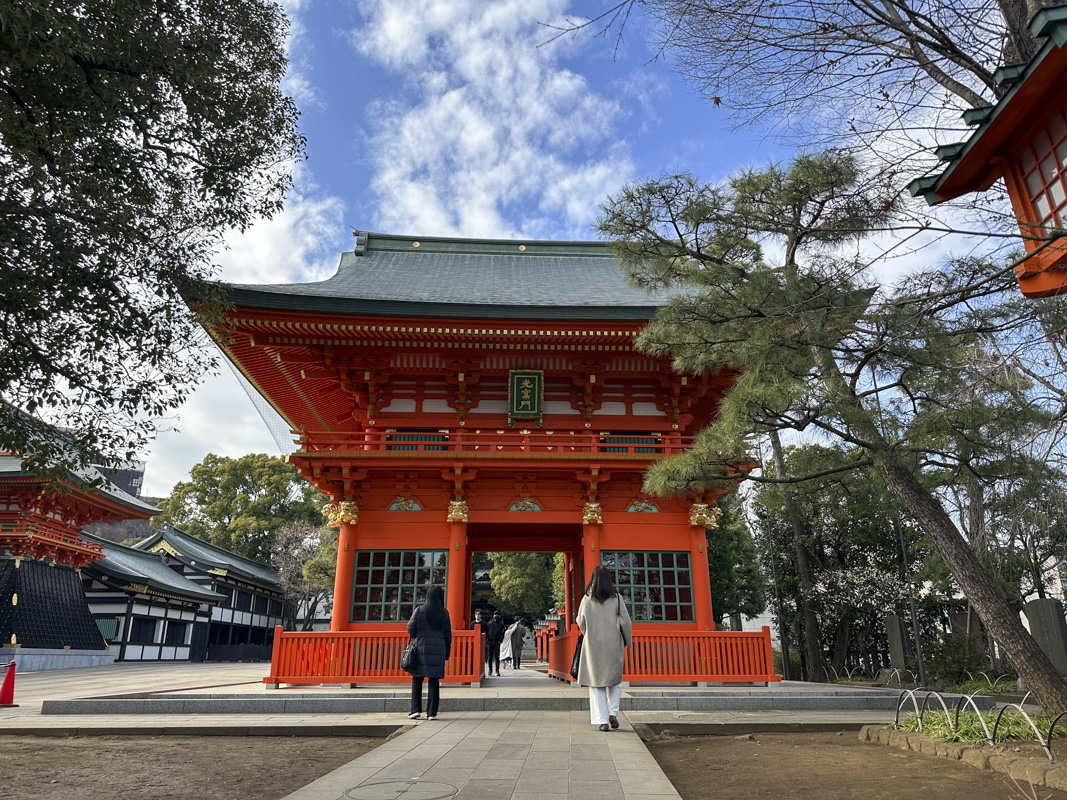
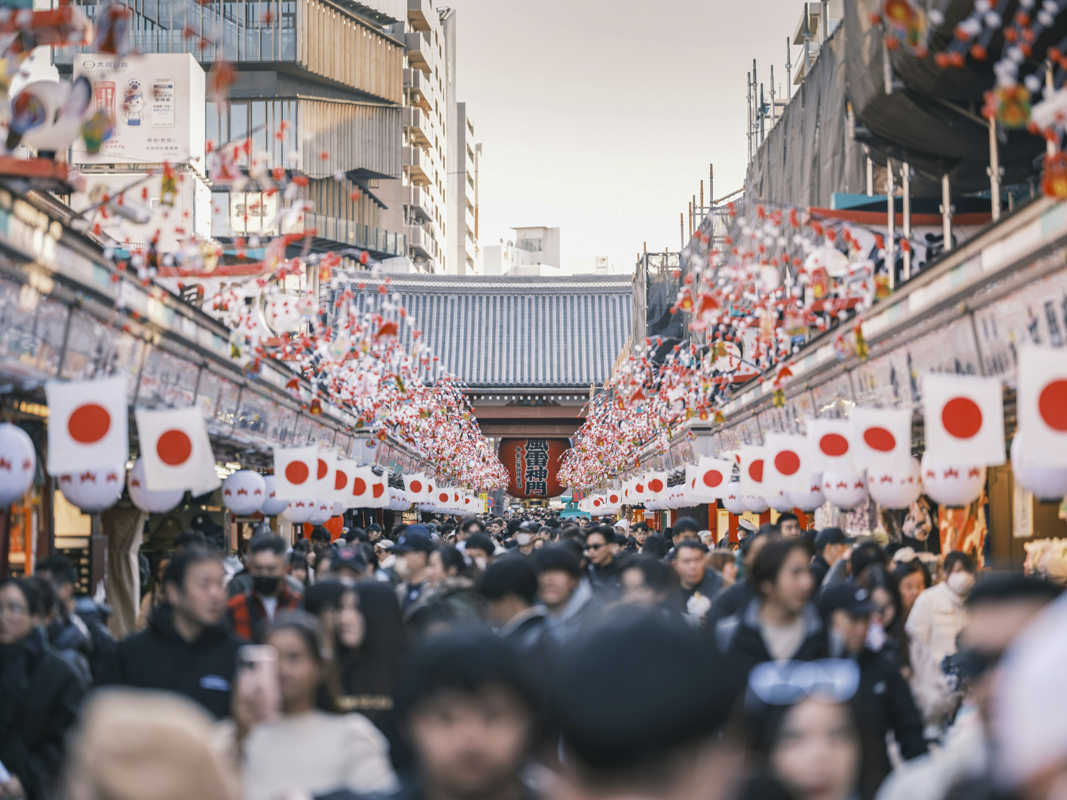
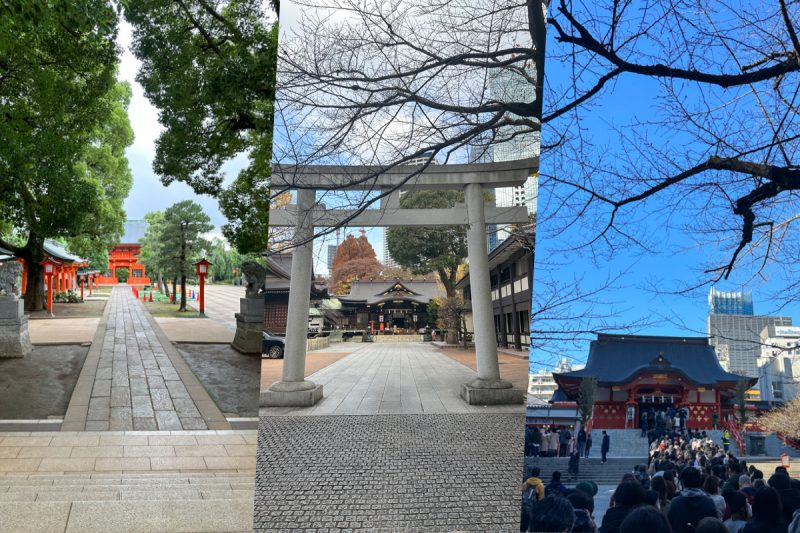
Hatsumode is the first visit to a shrine or temple in the new year. People pray for good health, happiness, and success.
Many Japanese visit during the first three days of January and often draw fortune slips (omikuji) or buy lucky charms.
Osechi Ryori
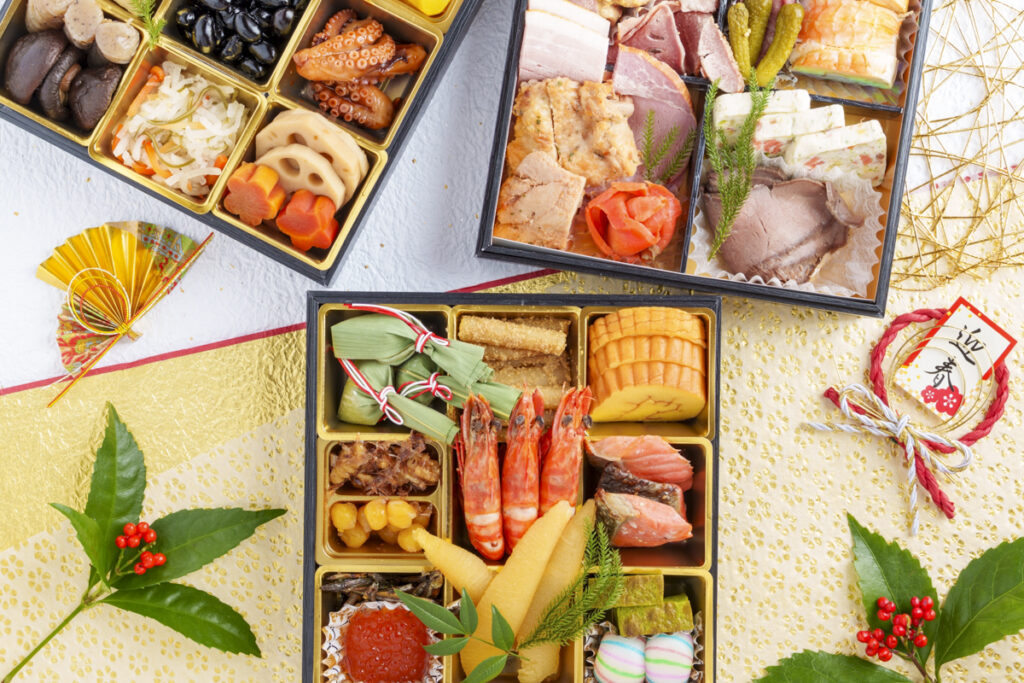
Osechi ryori is traditional Japanese New Year food, beautifully arranged in layered boxes. Each dish has a symbolic meaning, such as health, longevity, or prosperity.
Historically, osechi also helped reduce cooking during the holiday period.
Otoshidama
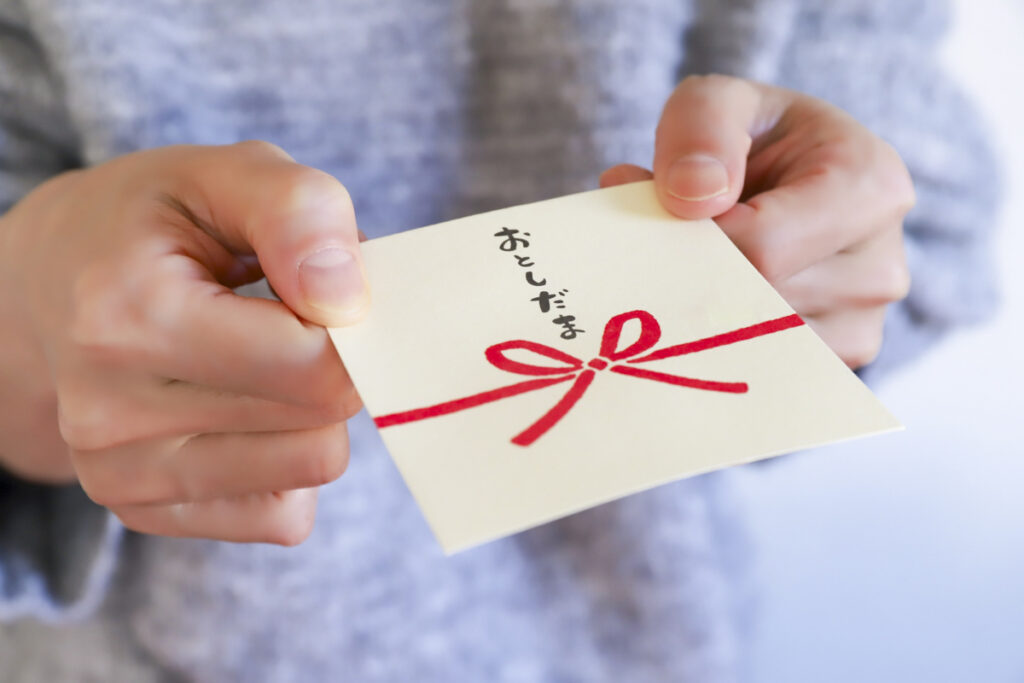
Otoshidama is the custom of giving money to children during New Year. It is a way for adults to celebrate children’s growth and wish them well for the future.
New Year’s Cards (Nengajo)
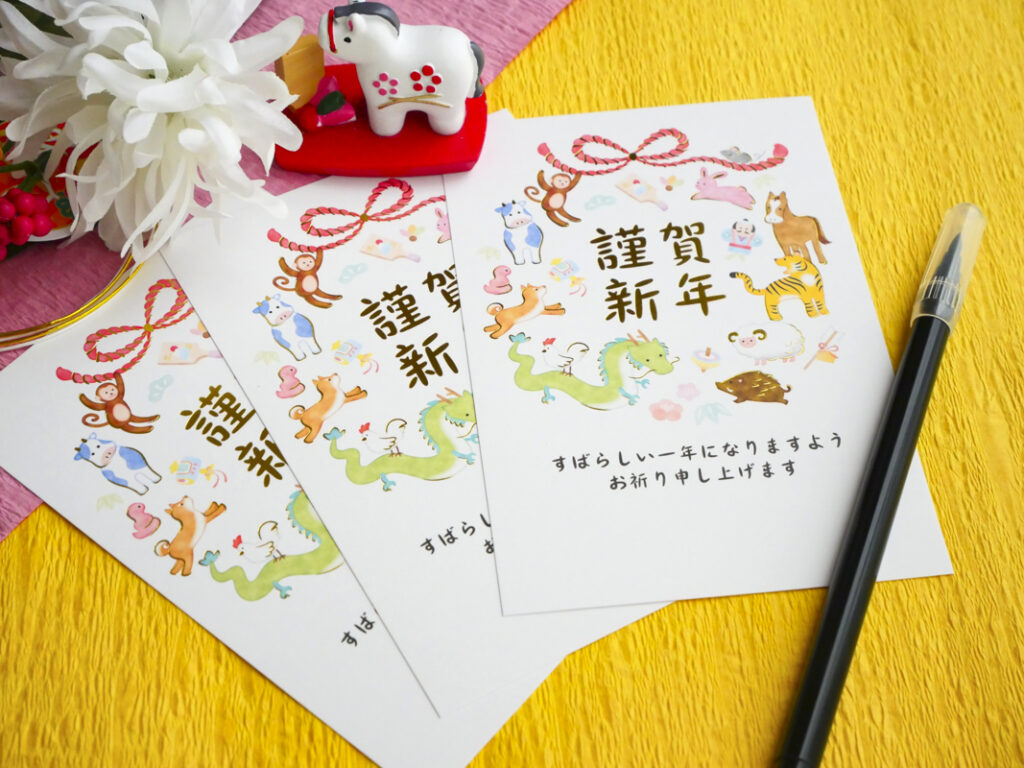
Nengajo are postcards sent to friends, family, and colleagues to express New Year greetings. They are used to share gratitude and stay connected, even with people not seen often.
Traditional New Year Decorations in Japan
Kadomatsu
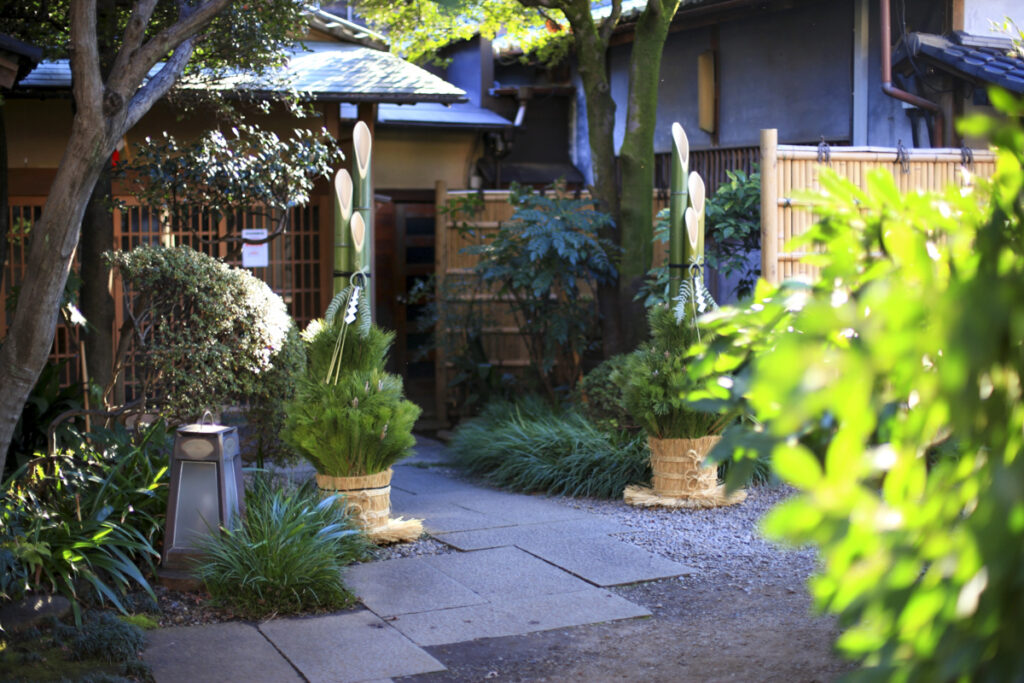
Kadomatsu are traditional decorations placed at entrances to welcome the New Year deity. They are typically made from pine and bamboo and symbolize strength and growth.
Shimenawa and Shimekazari
Shimenawa and shimekazari are sacred ropes and decorations that mark holy spaces and protect against misfortune. They are often displayed at entrances and inside homes.
Kagami Mochi
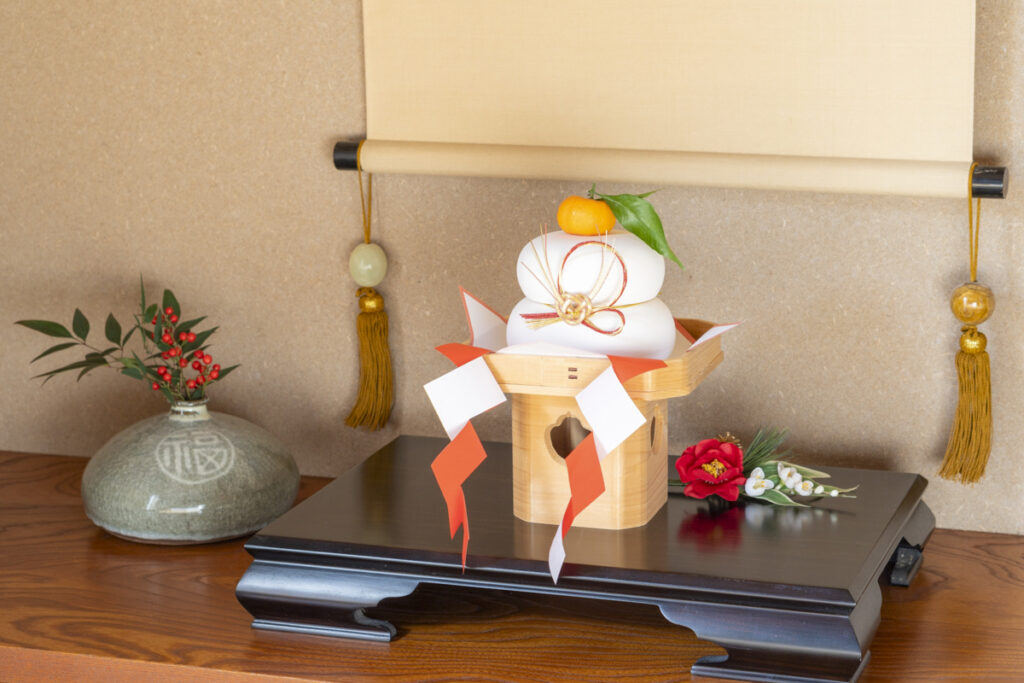
Kagami mochi consists of two stacked round rice cakes offered to the New Year deity. After the holiday, they are traditionally eaten during a ritual called Kagami Biraki.
Japanese New Year Food Culture
The Meaning of Osechi Dishes
Each ingredient in osechi ryori carries a specific meaning. For example, black beans symbolize good health, herring roe represents family prosperity, and shrimp symbolize long life.
Food plays an important role in expressing hopes for the new year.
Ozoni
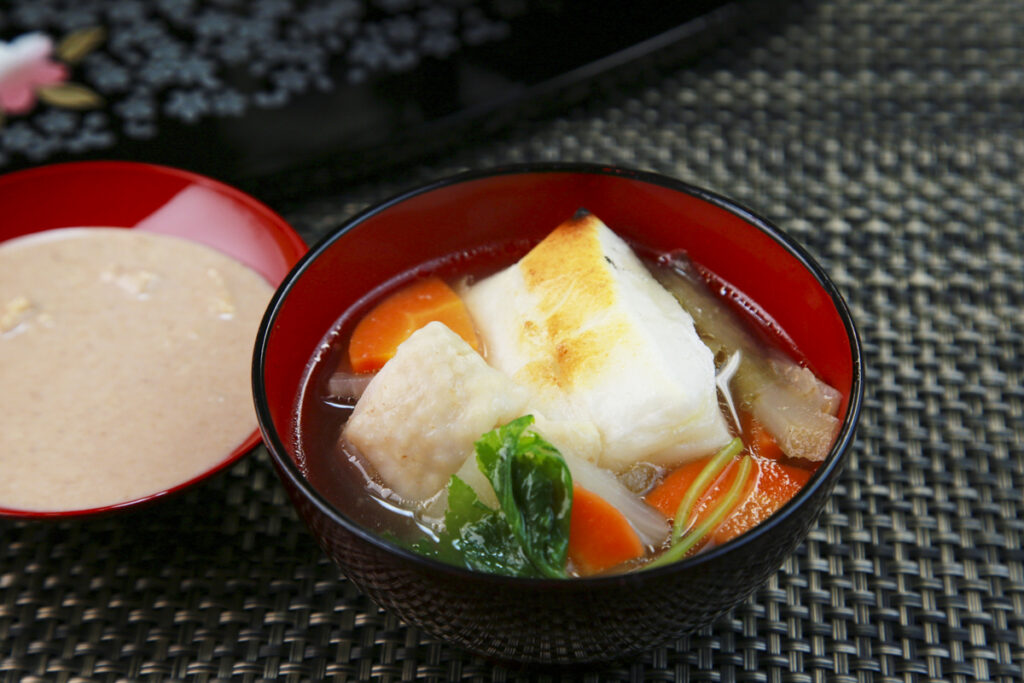
Ozoni is a traditional soup containing rice cakes eaten during New Year. The flavor and ingredients vary by region and household, making it a deeply personal dish for many families.
What Foreign Visitors Can Experience During Japanese New Year
Foreign visitors in Japan can also enjoy New Year traditions such as hatsumode and seasonal decorations. Some shrines and temples hold special events during this time.
However, many shops and restaurants may close or shorten their hours, so visitors should view New Year as a cultural experience rather than a regular shopping period.
Important Tips for Enjoying Japanese New Year
During the New Year holiday, business hours often differ from normal schedules. While public transportation operates, train frequency may be reduced.
Planning ahead and allowing extra time will help visitors enjoy the season more comfortably.
Summary: Japanese New Year as a Cultural Experience
Japanese New Year is more than a holiday—it reflects Japanese values, family ties, and traditional beliefs.
By understanding the meaning behind the customs and participating respectfully, visitors can gain a deeper appreciation of Japanese culture. If you are in Japan during New Year, it is a unique opportunity to experience this important tradition firsthand.
Looking for the original article in Japanese?
Click here to view the Japanese version on Daily Shinjuku.